


- by Vadym Chalenko
iPhone 18 Pro Camera: What’s New for Mobile Filmmaking & Photography
- by Vadym Chalenko
Last week, we took a closer look at the biggest rumors surrounding the iPhone 18 Pro camera system and what they could mean for mobile filmmakers and photographers. One of the most exciting possibilities was the addition of a real variable aperture, something we have wanted to see on an iPhone for a long time.
Now it is official.
Apple has unveiled the iPhone 18 Pro and iPhone 18 Pro Max, and many of the camera rumors turned out to be right. More importantly, several of the new features could have a meaningful impact on how these phones perform as serious creative tools.
The new variable aperture is obviously what caught our attention first, but there is much more to look at. Apple has added native manual camera controls, improved the thermal system, introduced the new A20 Pro chip, increased battery life, and continued expanding its professional photo and video capabilities.
Here is what we are most excited about and what it could mean for Beastgrip gear.
And one more thing before we dive in. Beastgrip gear made an appearance during the Apple Event! Watch the event below and see if you can spot the Beastcage. More on that later in the article.

This is the big one.
The new 48MP Fusion Main camera features a physical variable aperture with four settings:
ƒ/1.48, ƒ/1.8, ƒ/2.8, and ƒ/4.0
Previous iPhone cameras used a fixed aperture. With the iPhone 18 Pro, the aperture can now physically open and close, giving the camera another way to control the amount of light reaching the sensor and the optical characteristics of the image.
Opening the aperture to ƒ/1.48 allows more light to reach the sensor and can produce a shallower optical depth of field. Stopping down to ƒ/2.8 or ƒ/4 reduces the amount of light while increasing depth of field.
For video, this provides another way to manage exposure without immediately changing shutter speed, ISO, or adding an ND filter. It gives creators more control over exposure and depth of field while also creating new possibilities for how the camera performs in different shooting conditions. Changing the aperture also creates a different star-shaped look in lens flares, which can look especially cool and give images a more distinctive character.
But what makes this especially interesting to us is what happens when the variable aperture is combined with external smartphone lenses and optical adapters.
Stopping down the iPhone camera could potentially improve image quality with certain external optics, particularly toward the edges and corners of the frame. It could also affect depth of field and the overall behavior of the complete optical system.
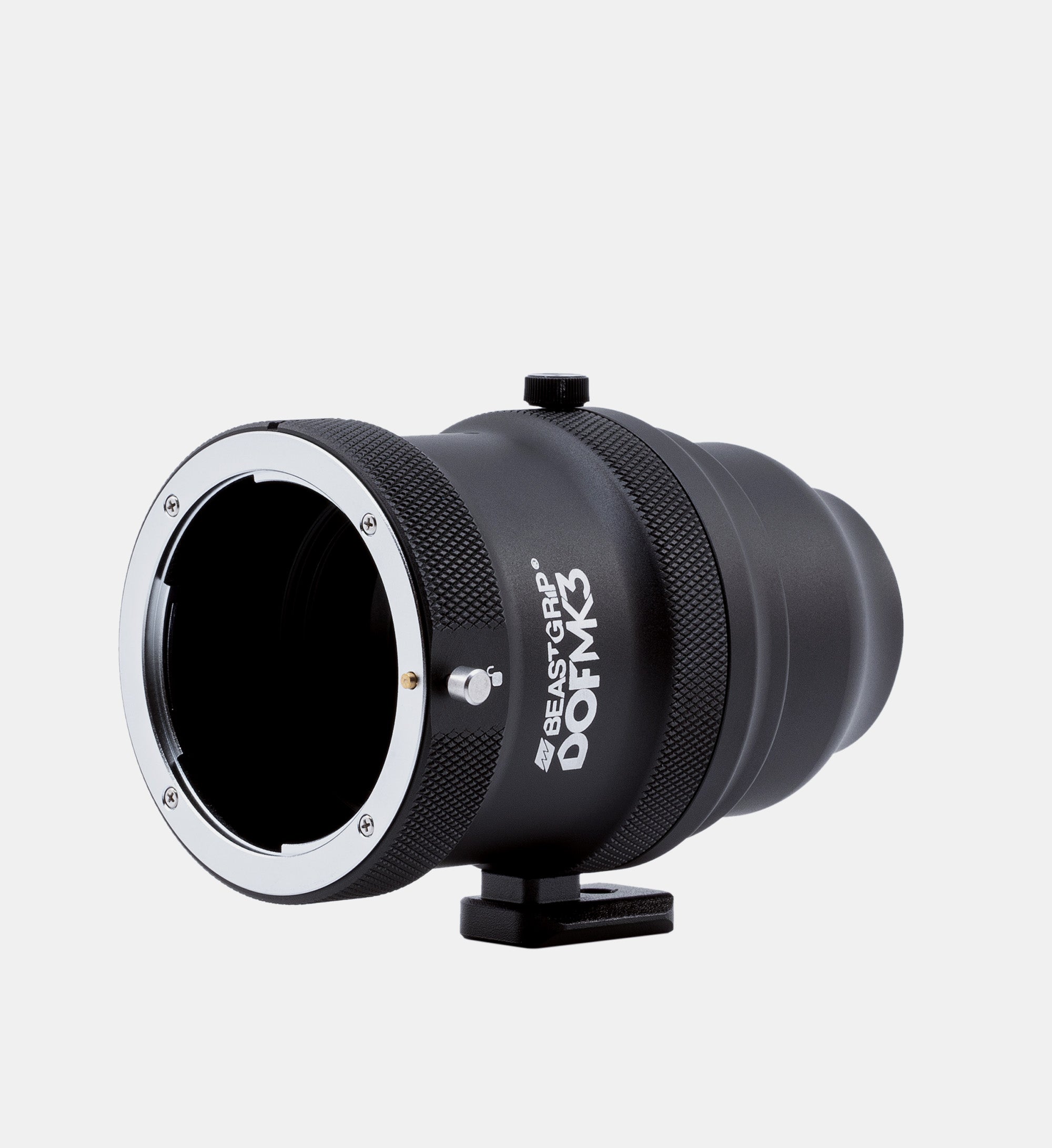
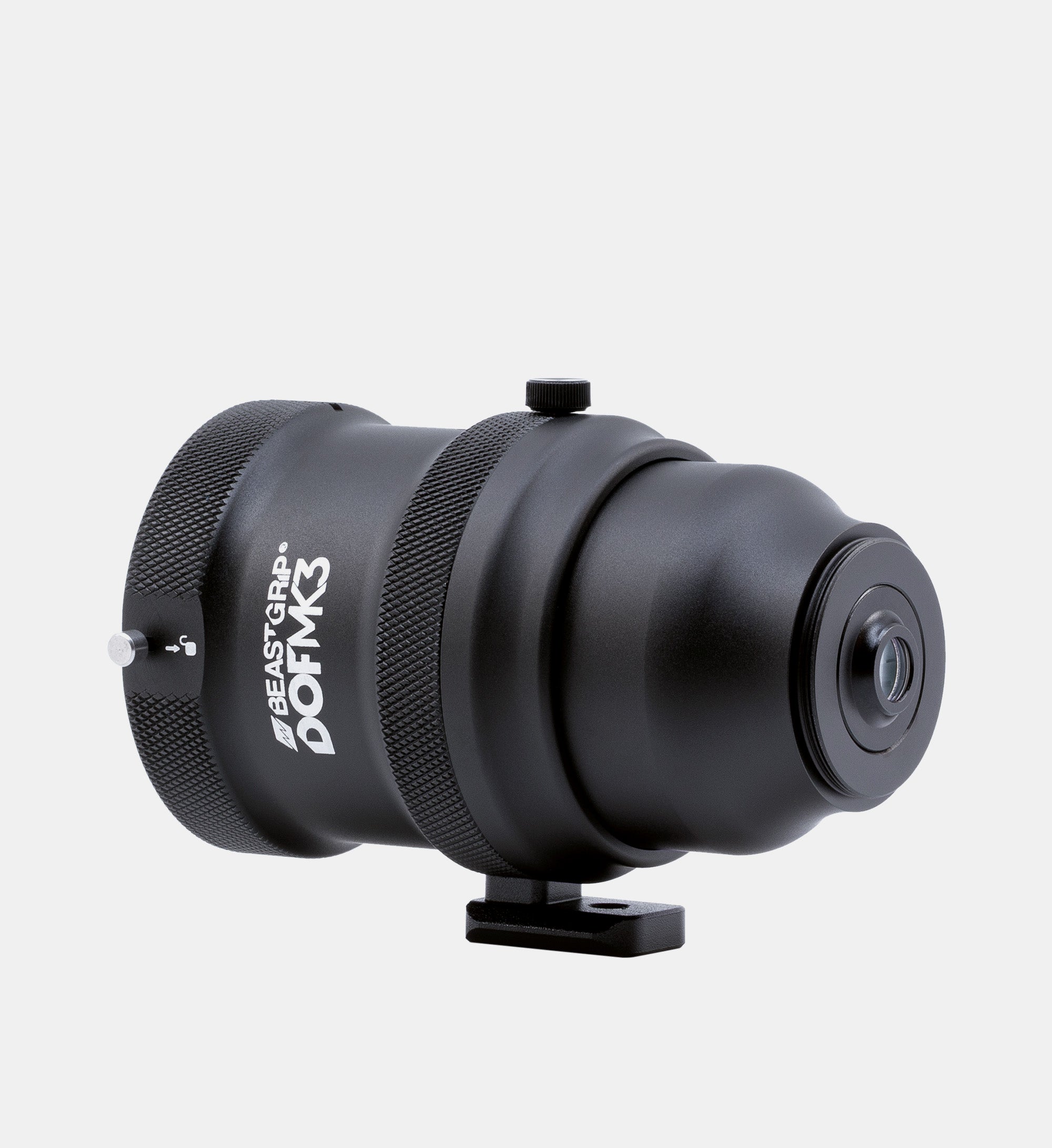
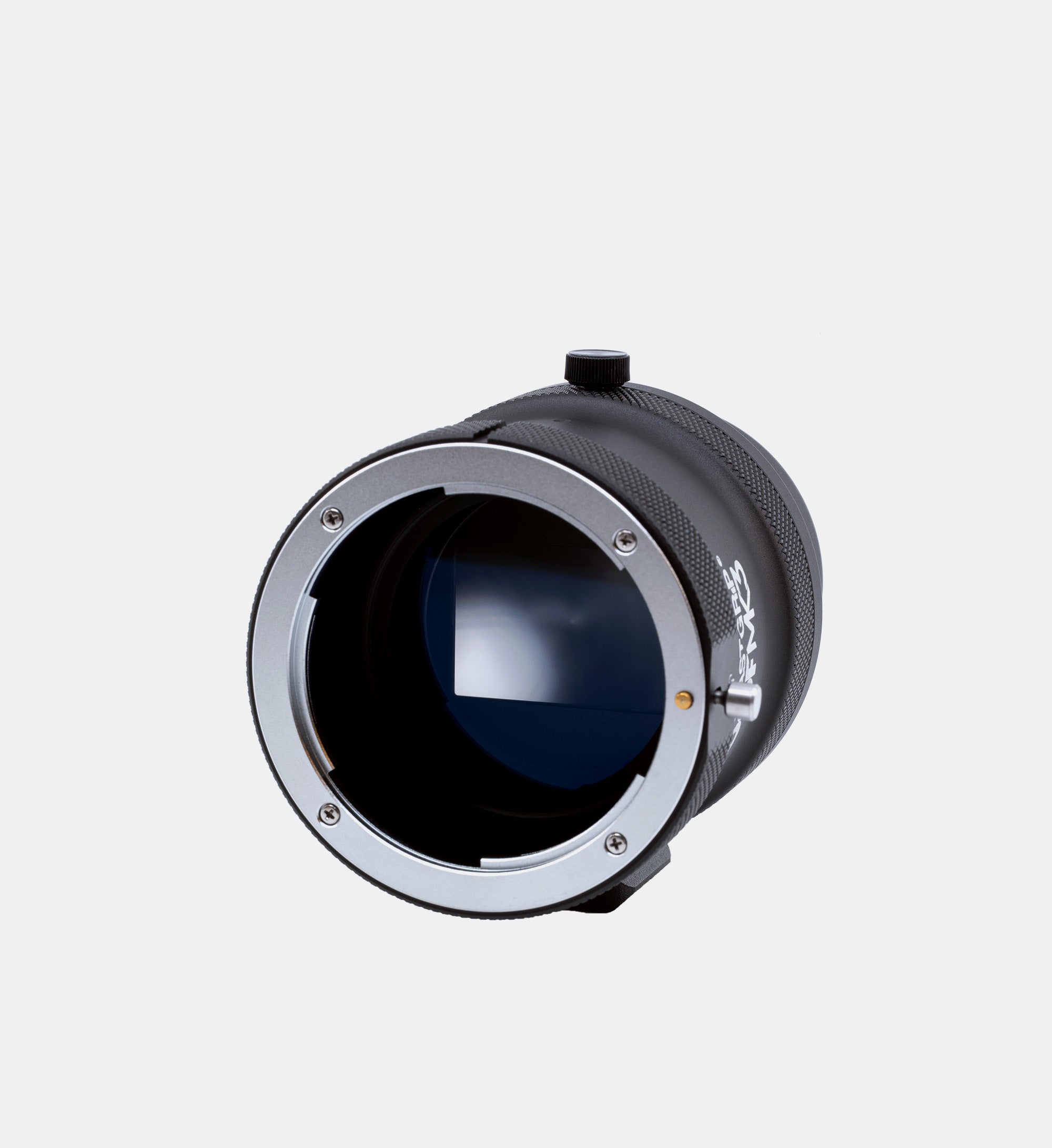
We explored this topic in much more detail before the announcement, including what variable aperture could mean for external lenses and our upcoming DOF Adapter Фoton.
Now that variable aperture is real, we cannot wait to put those ideas to the test.
The physical aperture becomes even more useful because Apple is also bringing more manual control directly into its Camera app.
The new Pro controls include manual adjustment of aperture, shutter speed, and white balance, along with a live histogram.
For years, serious mobile filmmakers and photographers have relied on third party camera apps when they wanted more direct control over the image. Those apps will continue to be incredibly important, but having more manual control available directly in Apple's Camera app makes these tools accessible to many more creators.
For video, manual shutter speed makes it possible to maintain the desired motion blur instead of letting the camera make every exposure decision automatically.
For photography, physical aperture and shutter control give photographers more freedom to decide how they want an image to look rather than relying entirely on automatic processing.
Apple is also making the new aperture system accessible to developers, so we are particularly interested to see how professional camera apps take advantage of it.

Another interesting addition is the ability to apply Cinematic effects after a video has already been recorded.
Instead of having to commit to the computational Cinematic look while shooting, creators can record regular video and apply the background separation afterward.
This creates an interesting combination of optical and computational tools.
The physical aperture changes the image optically, before the light reaches the sensor. Cinematic effects can create or modify background separation computationally.
These are two very different approaches, and one does not replace the other. Having access to both simply gives creators more options.
We are especially interested in seeing how the physical aperture behaves with external lenses and our optical adapters, where the characteristics of the complete optical system become even more important.
The Main camera will naturally get most of our attention because it is the camera most commonly used with Beastgrip external lenses, but the complete iPhone 18 Pro camera system has plenty to offer.
The 48MP Fusion Main camera provides a 24mm equivalent view with the new physical variable aperture ranging from ƒ/1.48 to ƒ/4. It also provides the familiar 2x option from the Main camera sensor.
The 48MP Fusion Ultra Wide camera provides the much wider perspective needed for landscapes, architecture, close creative shots, and macro photography.
The 48MP Fusion Telephoto camera extends the system much farther, giving creators additional options for portraits, distant subjects, compressed perspectives, and video.
For professional video workflows, Apple continues to support features such as 4K Dolby Vision, ProRes, ProRes RAW, Apple Log 2, ACES, Genlock, and external recording over USB C.
There is also improved subject tracking, which should make it easier to maintain focus on moving subjects during both casual shooting and more controlled productions.
Taken individually, not every feature changes the way we use a smartphone camera. Together, however, they continue pushing the iPhone closer to being a complete creative imaging platform.
Camera specifications usually get most of the attention, but another important improvement is happening inside the phone.
The iPhone 18 Pro combines the new A20 Pro chip with an improved thermal system and a redesigned vapor chamber.
For everyday use, that might not sound particularly exciting. For serious mobile filmmaking, it absolutely matters.
Recording high resolution video for extended periods, processing ProRes or RAW footage, writing large files to an external SSD, running the display at high brightness, and performing continuous computational image processing can generate a lot of heat.
Performance is not only about how fast a processor can run for a few seconds. For demanding camera use, what matters is how well that performance can be maintained during a long shooting session.
Better thermal management should allow the iPhone 18 Pro to maintain demanding workloads more consistently and efficiently.
Of course, this is something we want to test ourselves. Real world shooting conditions are very different from specifications on paper, especially during long recording sessions, hot outdoor shoots, and demanding external recording workflows.
Battery life might not be the most exciting feature in a camera announcement, but anyone who has spent hours shooting with a smartphone knows how important it is.
The iPhone 18 Pro and Pro Max bring improvements in battery capacity and efficiency, with the Pro Max offering the longest battery life of the two models.
Apple's video playback numbers do not tell us exactly how long these phones will last while recording demanding 4K video, running professional camera apps, powering accessories, or recording to external storage.
Still, the combination of a larger battery, a more efficient A20 Pro chip, and improved thermal management is encouraging.
For both photographers and filmmakers, longer operating time means less time worrying about power and more time actually shooting.
We will be particularly interested in testing battery performance during extended video recording and when using external accessories.
Naturally, one of the biggest questions for us, and probably for many of you, is compatibility.
We will not make final compatibility claims until we have the actual devices in our hands and can properly test everything. However, based on Apple's specifications, we already have a good idea of what to expect.
We are confident that our lenses work great with the new iPhone 18 Pro Main camera.
In fact, the variable aperture makes this generation particularly exciting for external optics.
The ability to open the Main camera to ƒ/1.48 gives us a faster optical system, while physically stopping it down to ƒ/2.8 or ƒ/4 gives us something completely new to experiment with.
We want to test image quality across the different aperture settings, particularly edge and corner sharpness, depth of field, exposure behavior, and overall optical performance with our lenses.
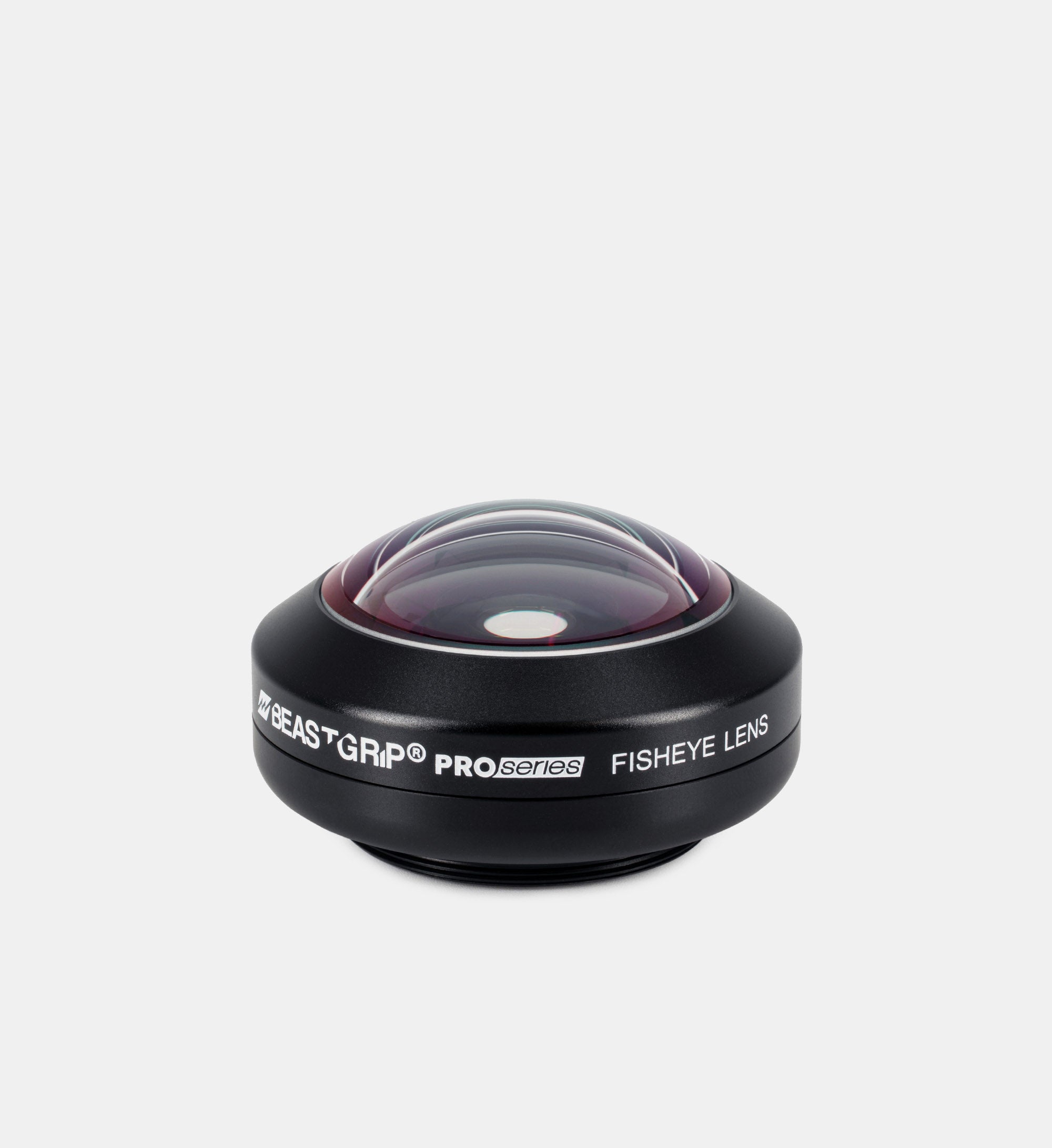
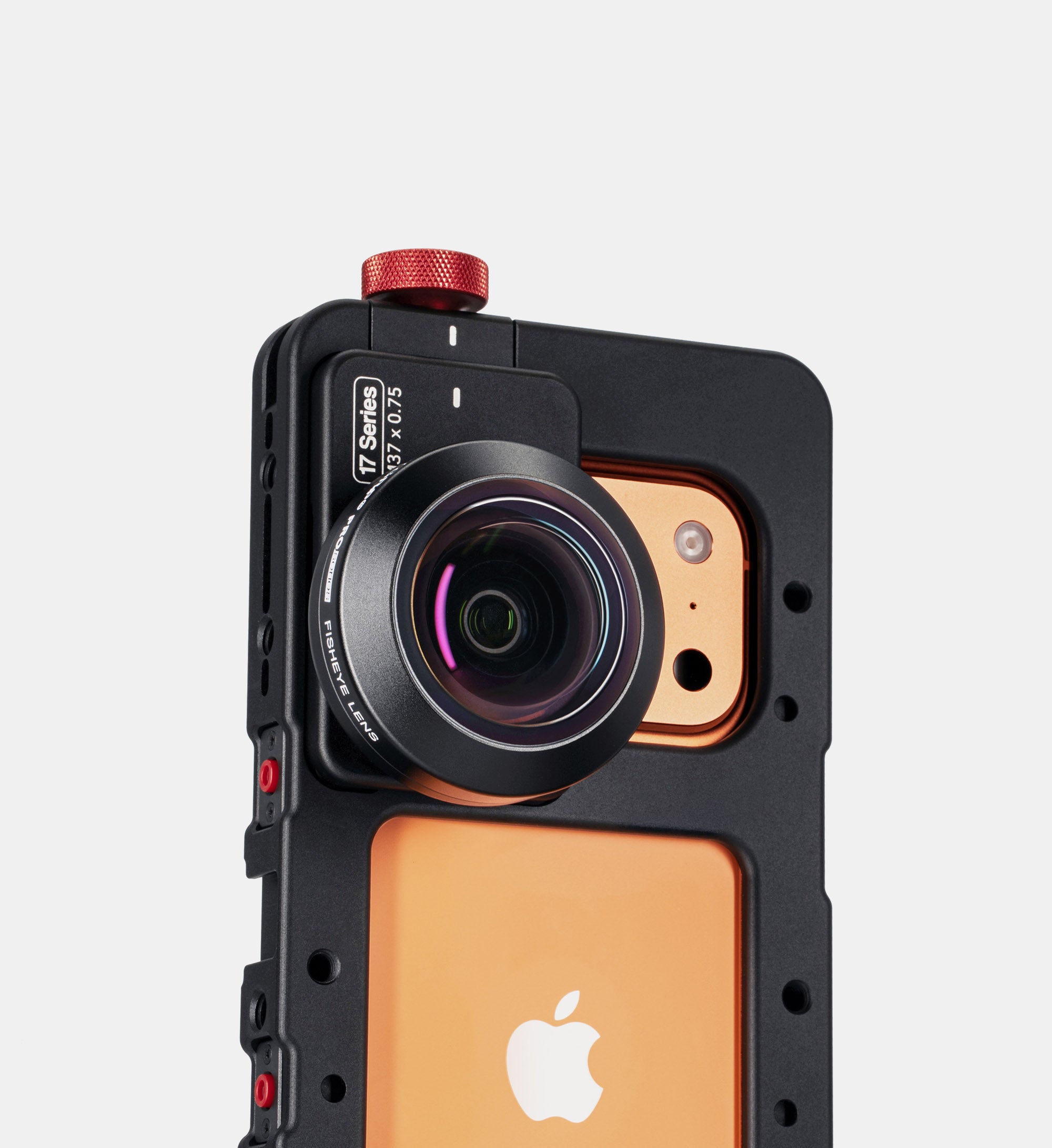
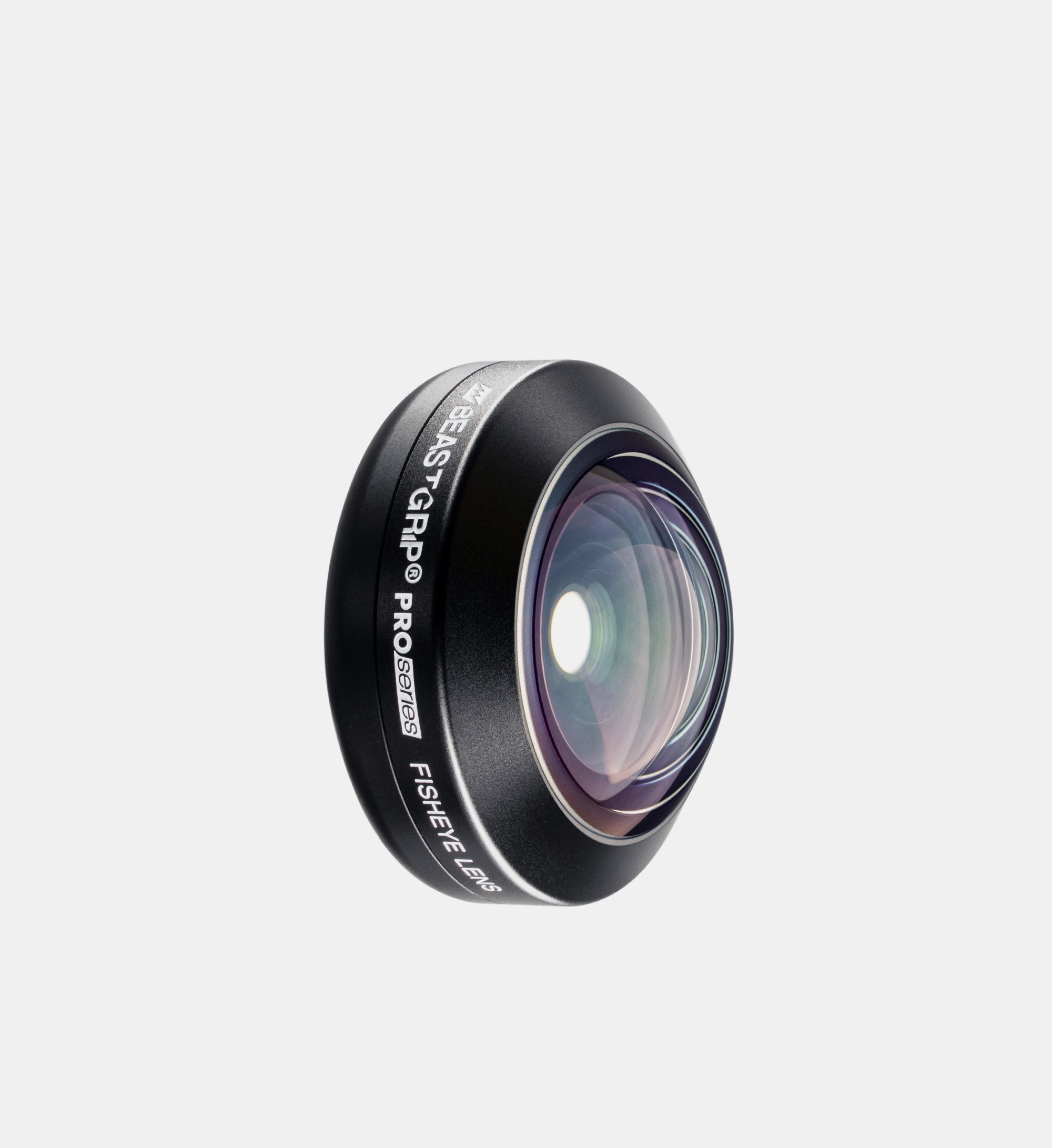
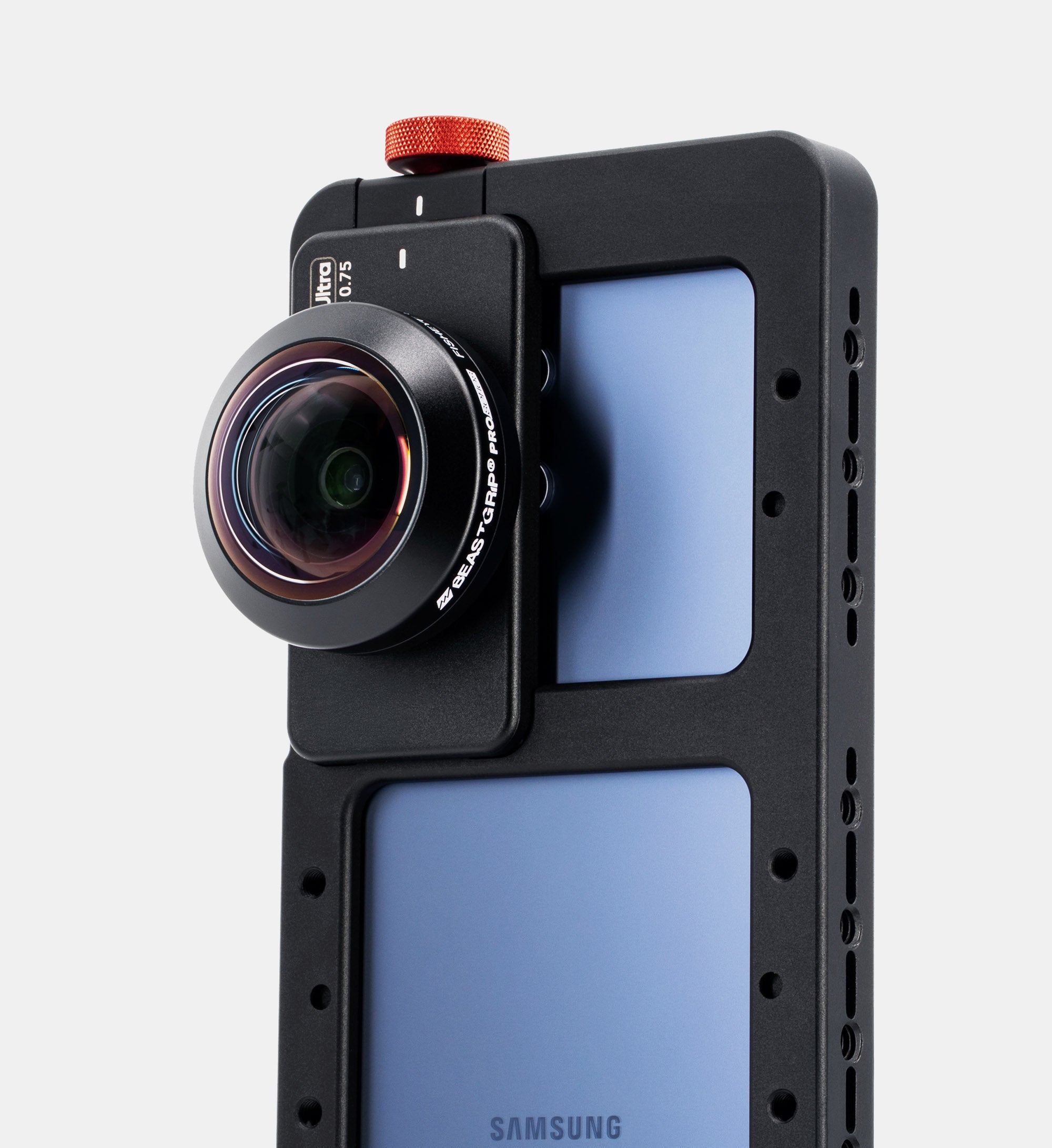
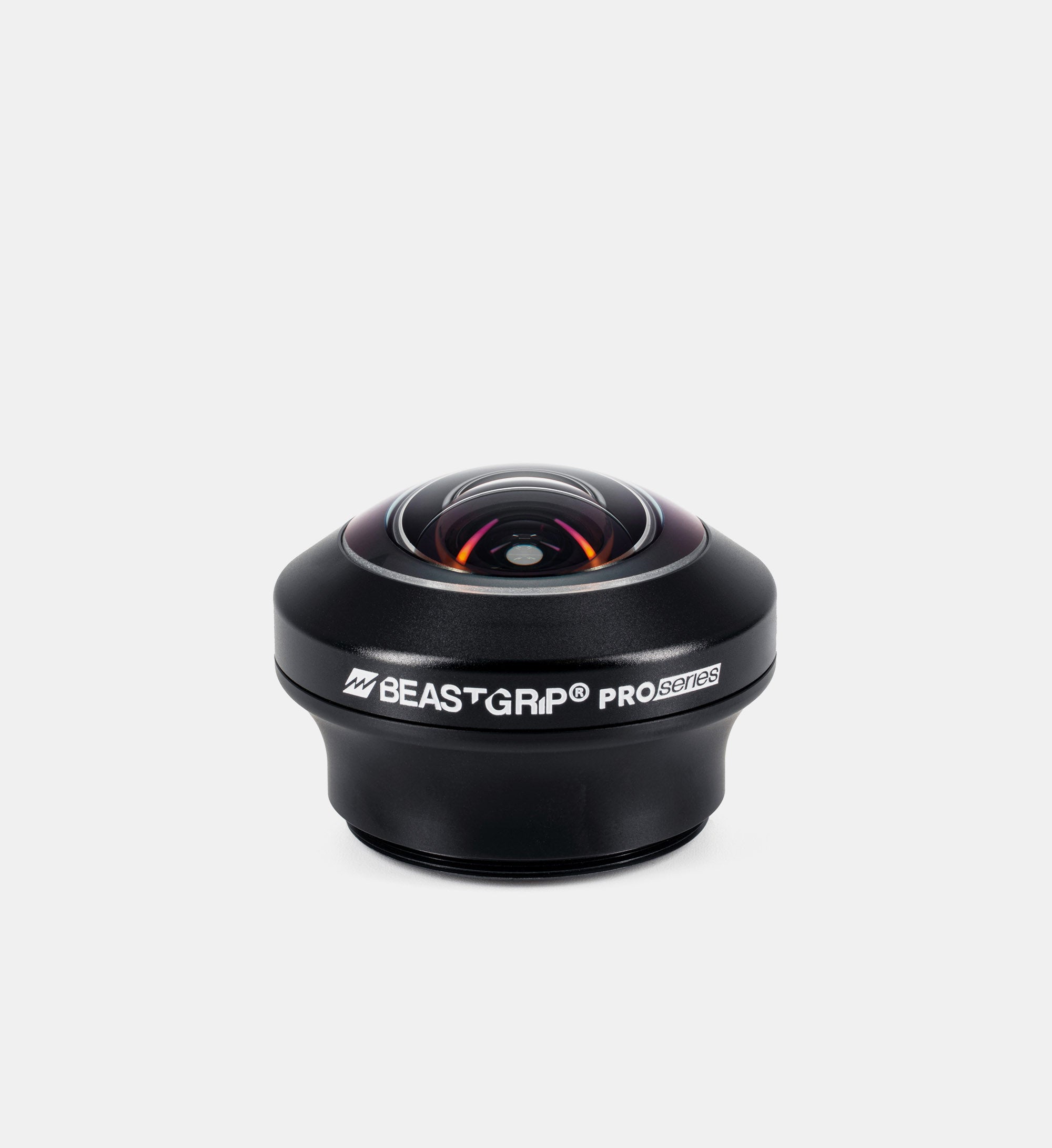
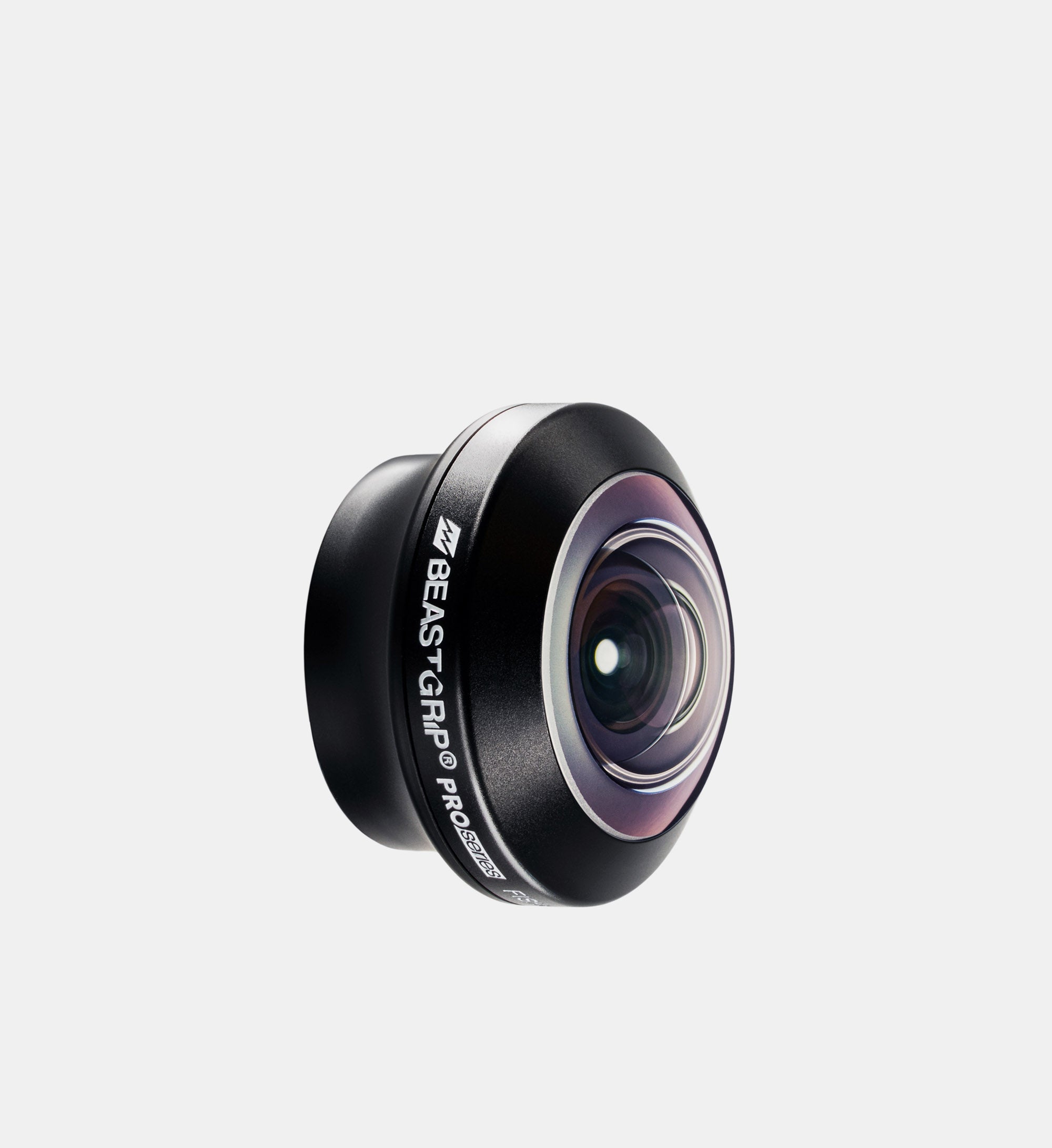
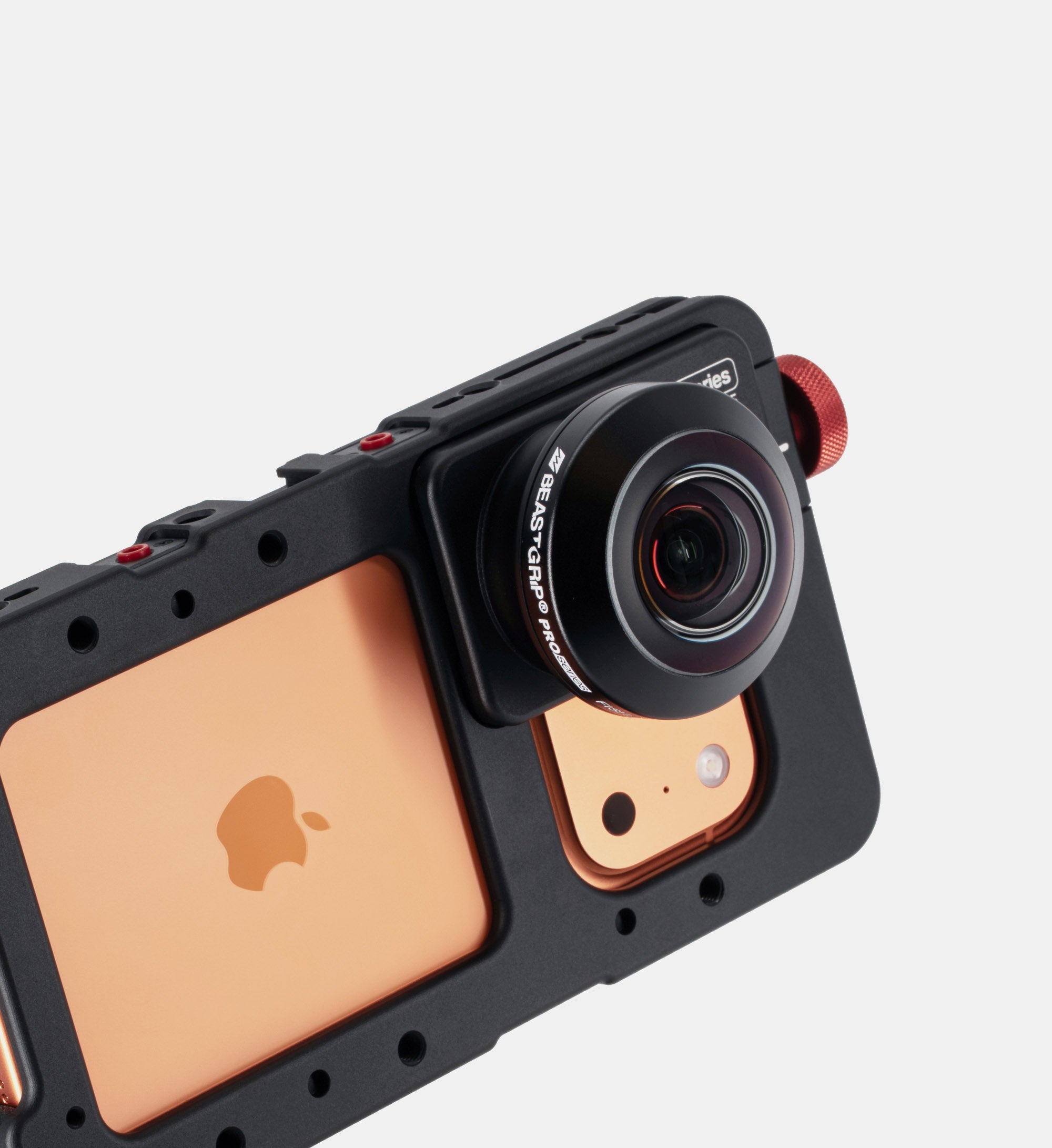
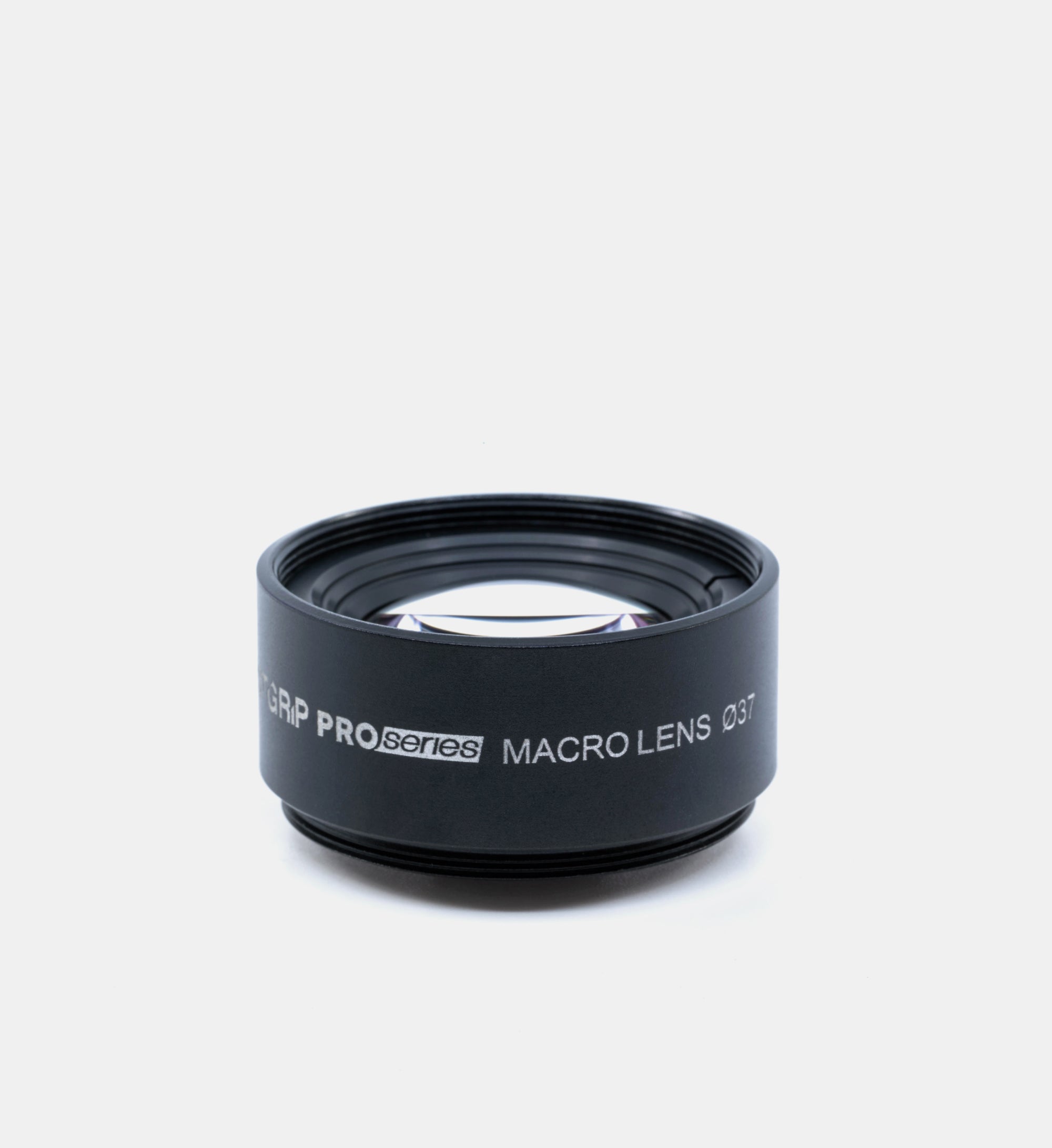
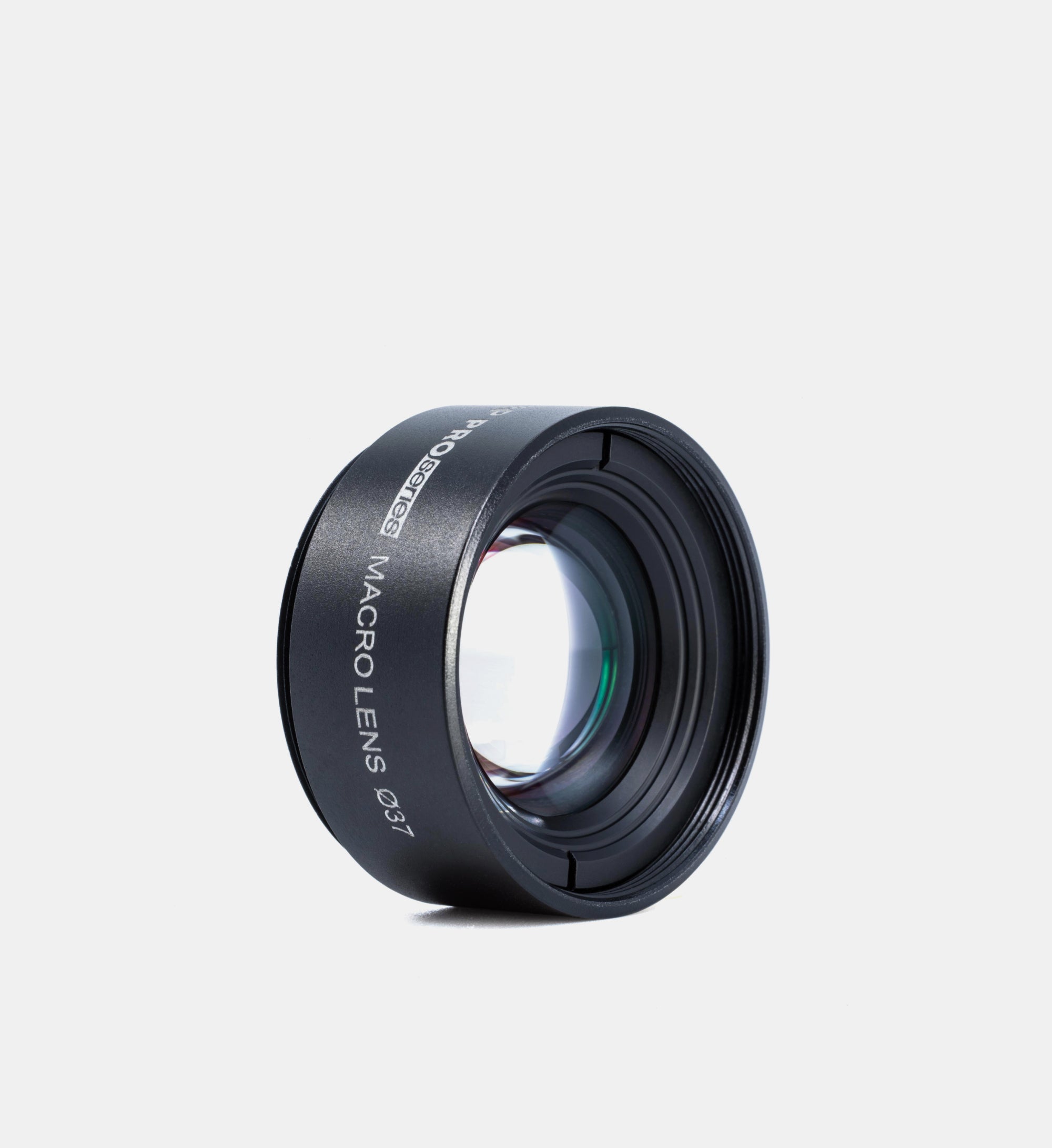
This applies to both filmmaking and photography. Whether you are shooting video with one of our anamorphic lenses or taking photos with our wide angle, telephoto, macro, or fisheye lenses, having physical control over the aperture could introduce some very interesting benefits.
As we explained in our previous iPhone 18 Pro camera article, stopping down the smartphone camera could be particularly useful when another optical system is placed in front of it.
Now we get to actually test it.
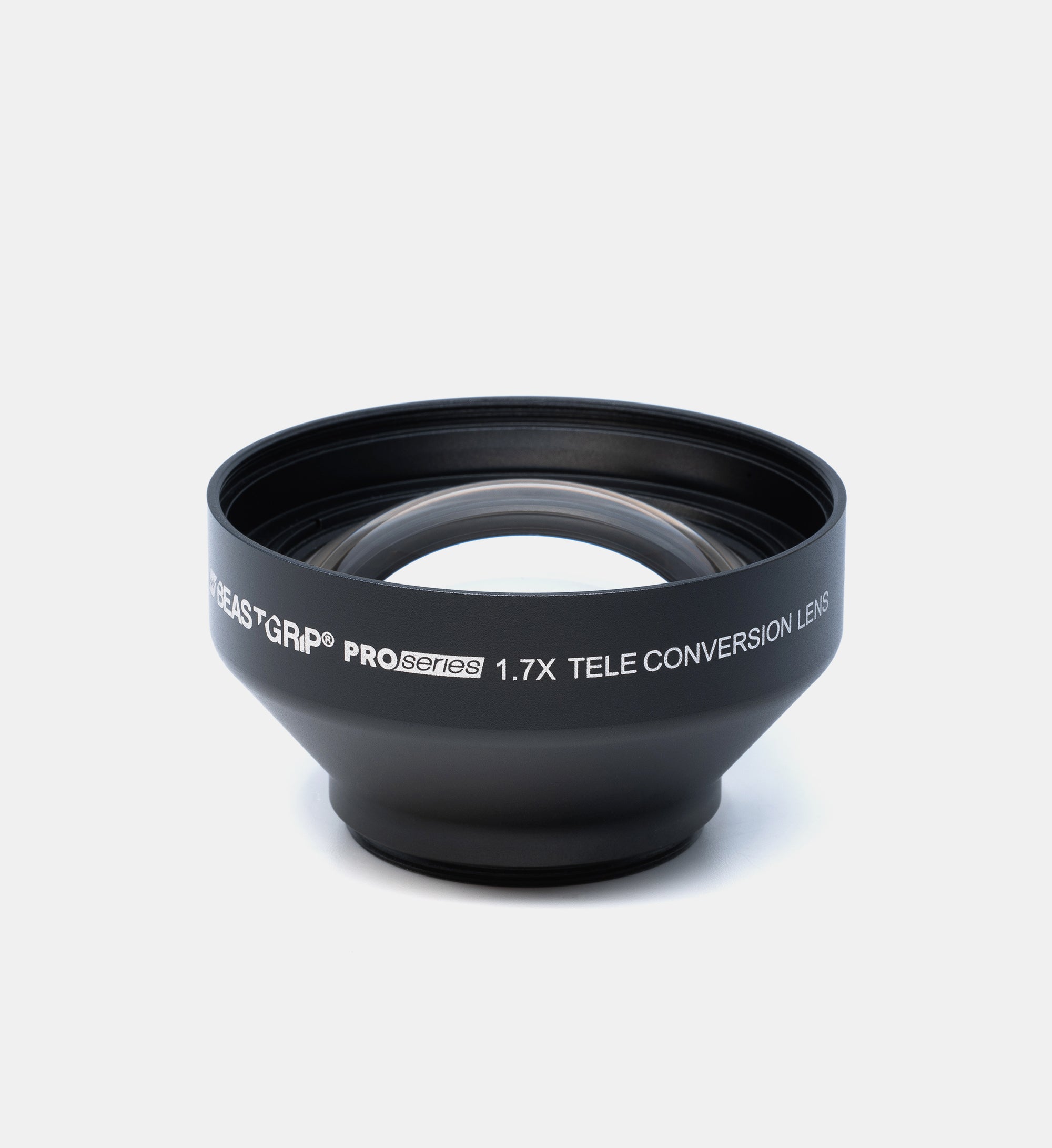
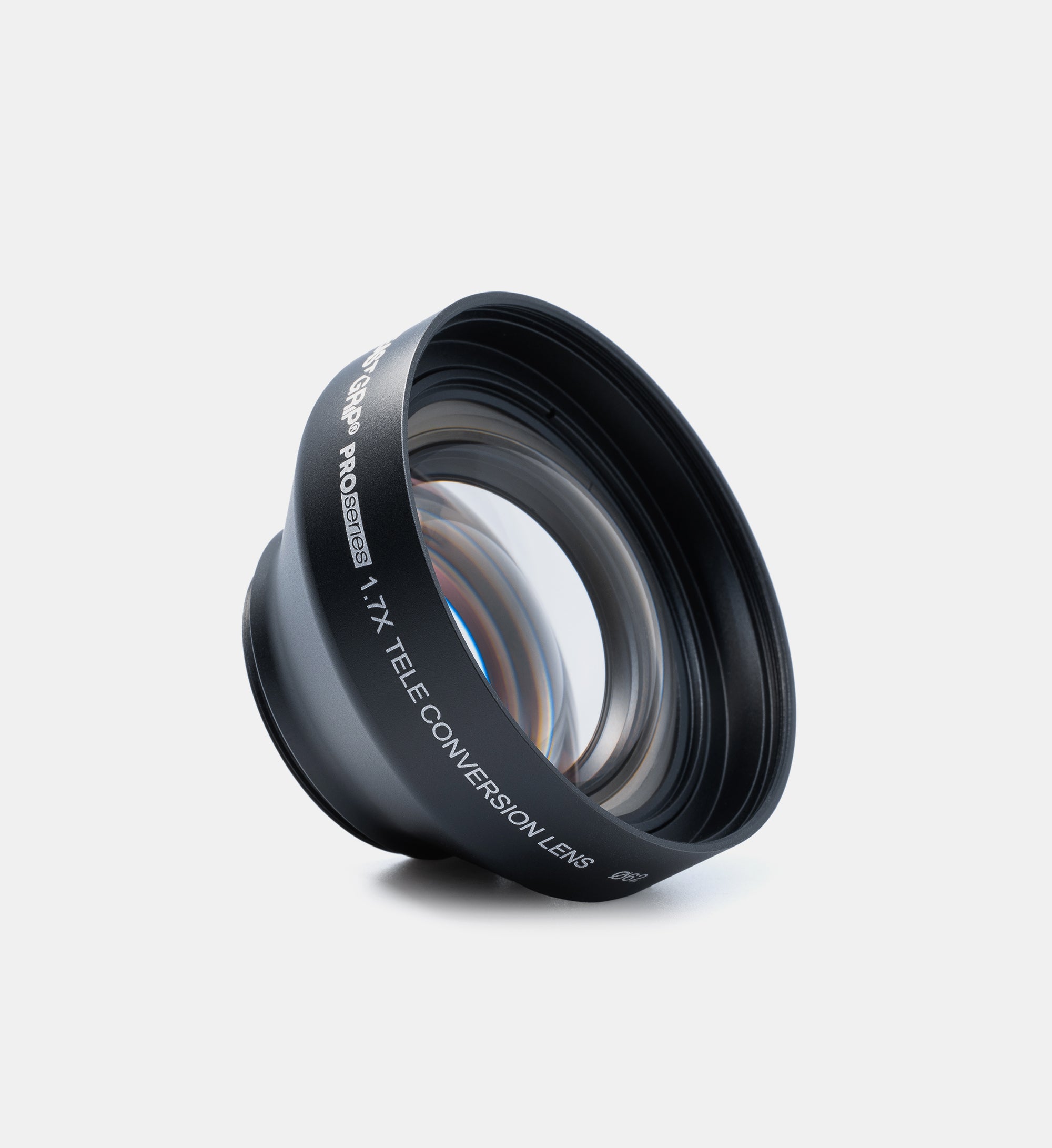
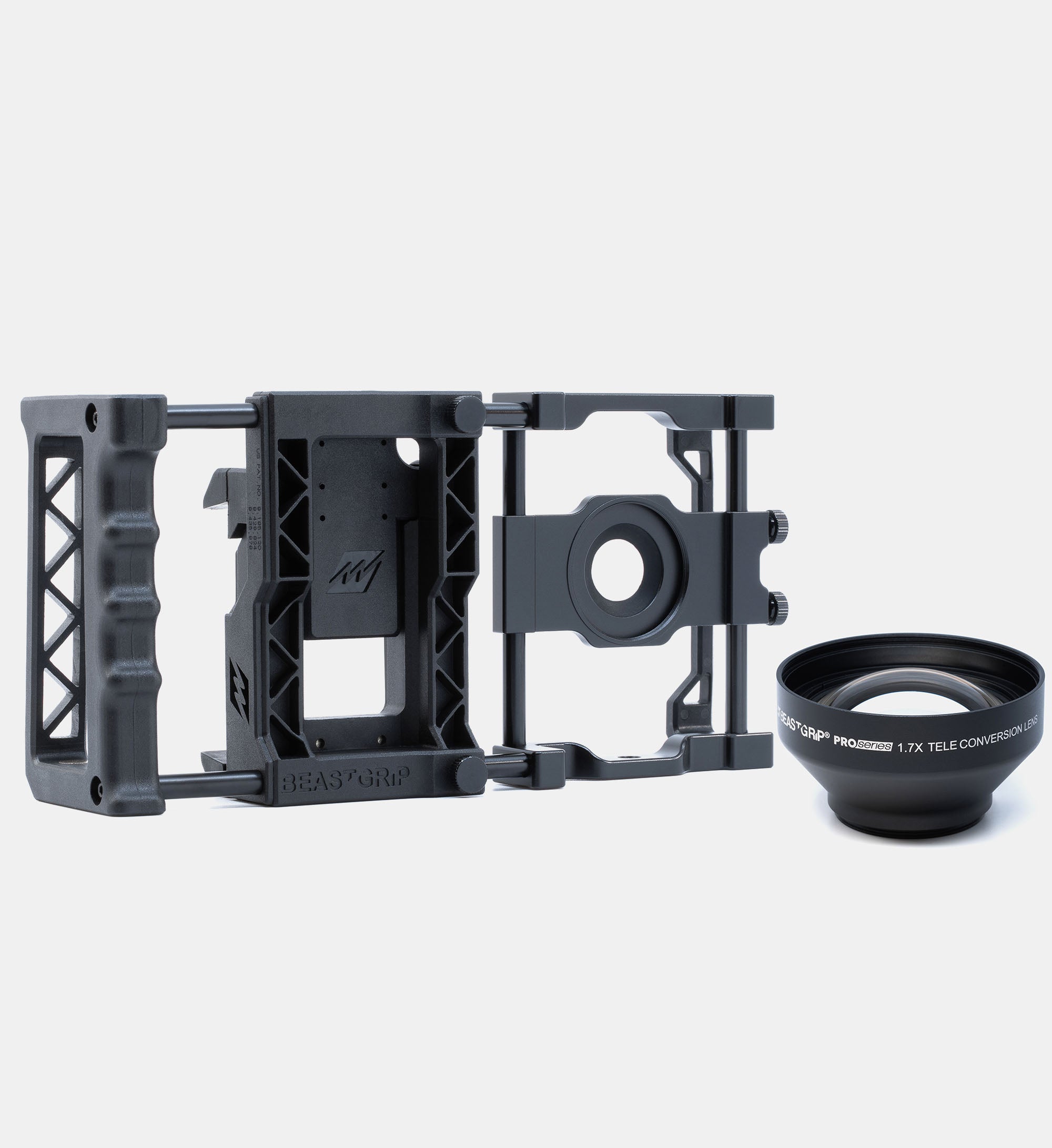
Pro Series 1.7X Telephoto Lens
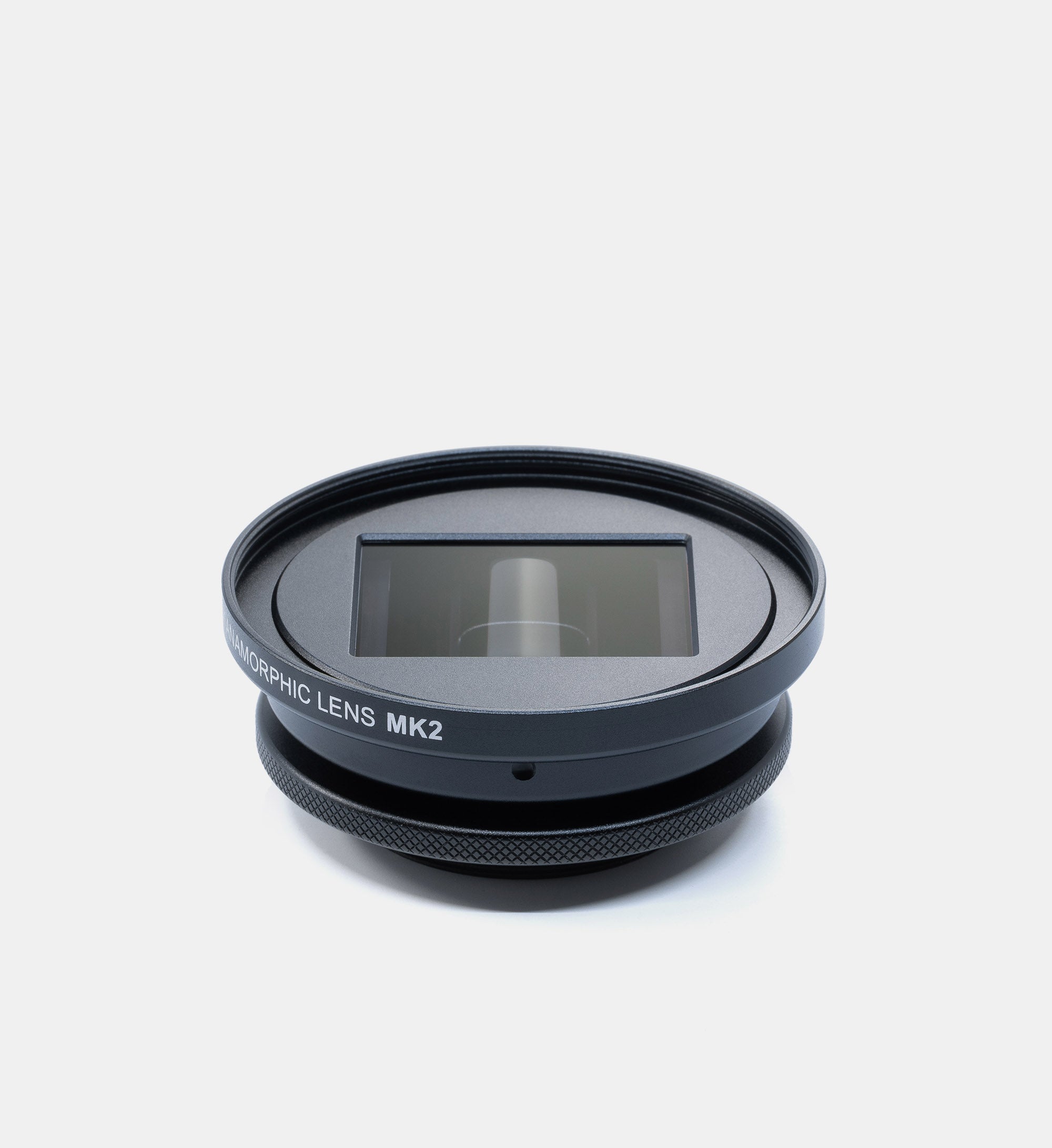
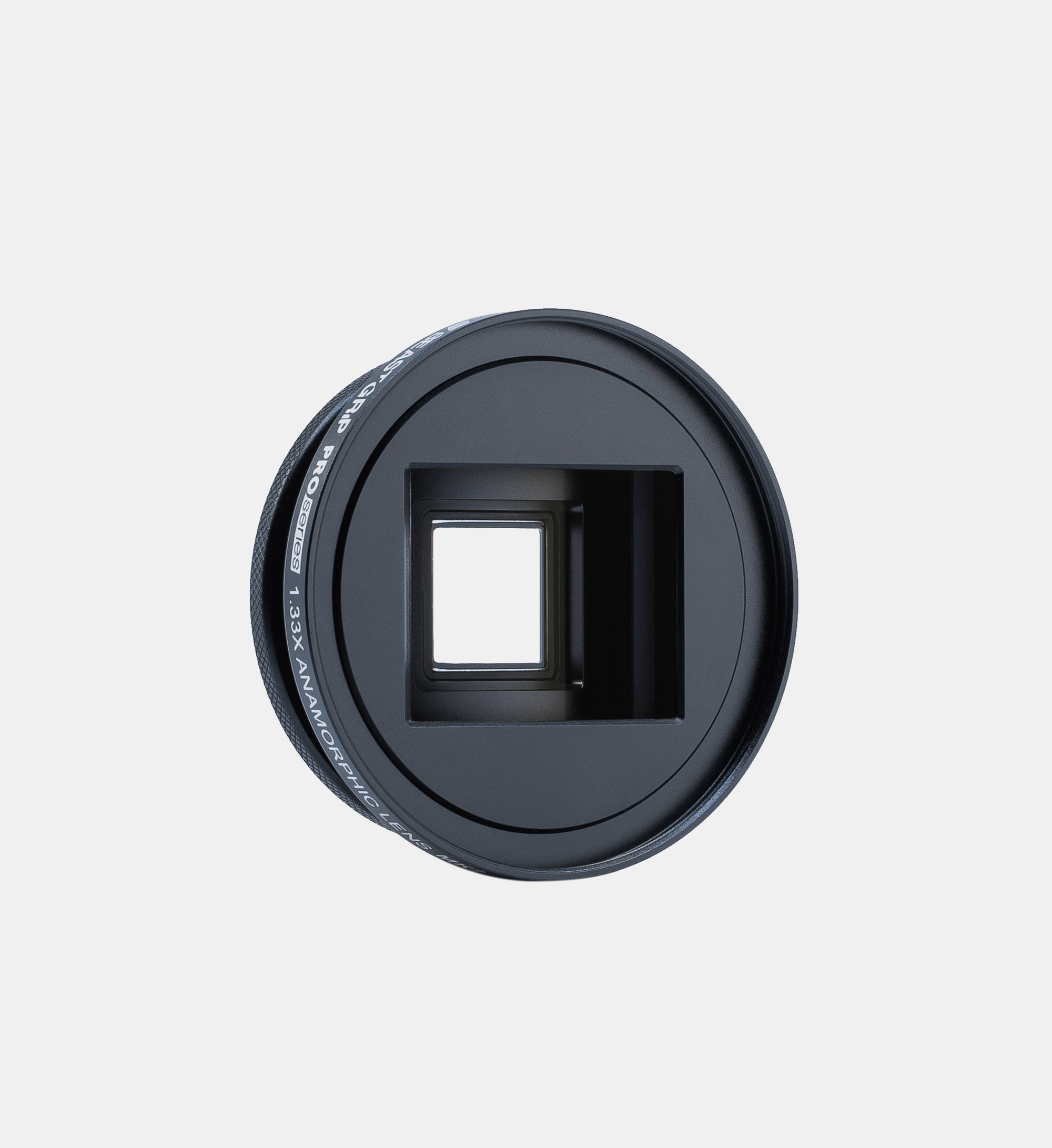
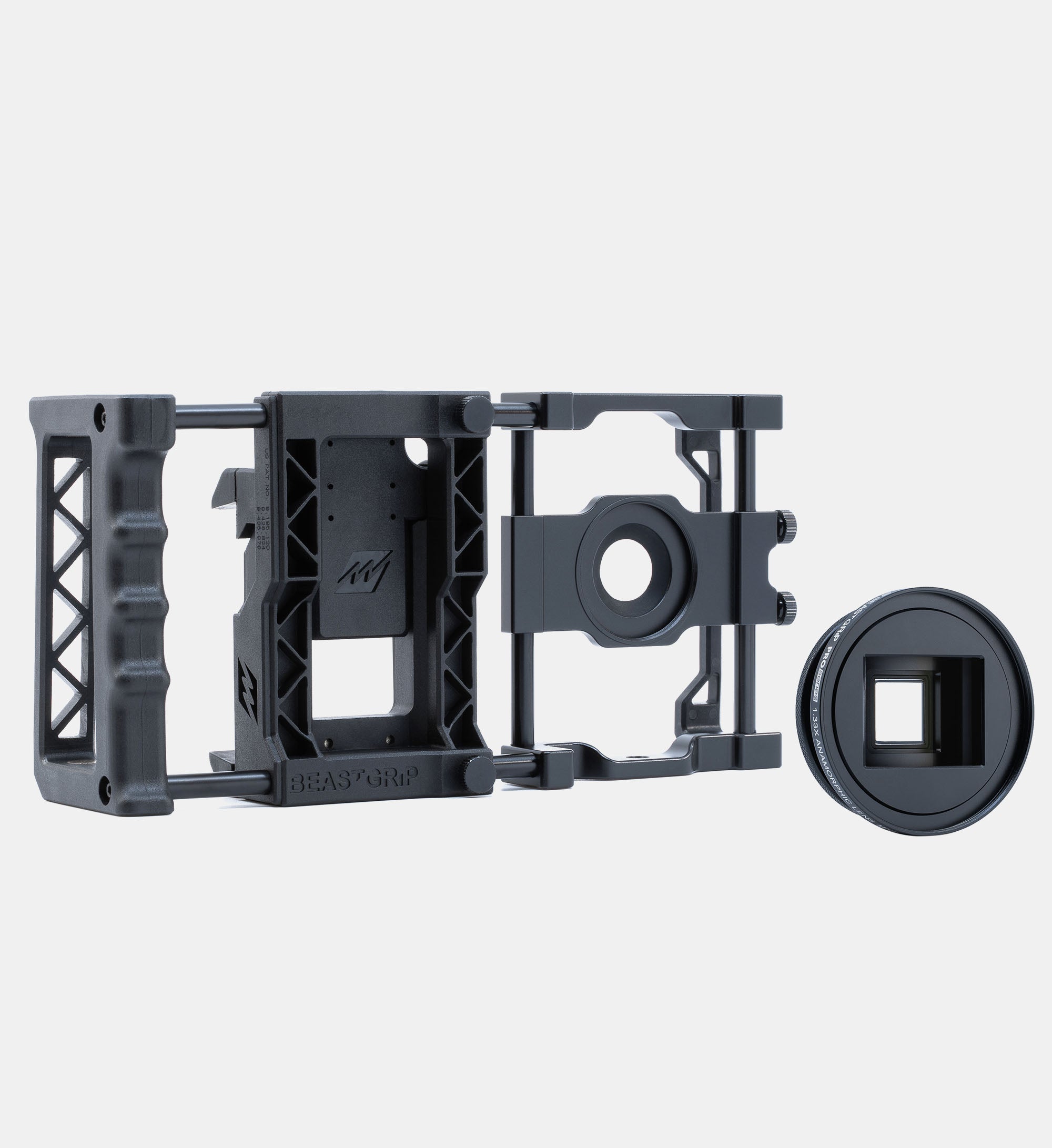
Pro Series 1.33X Anamorphic Lens MK2
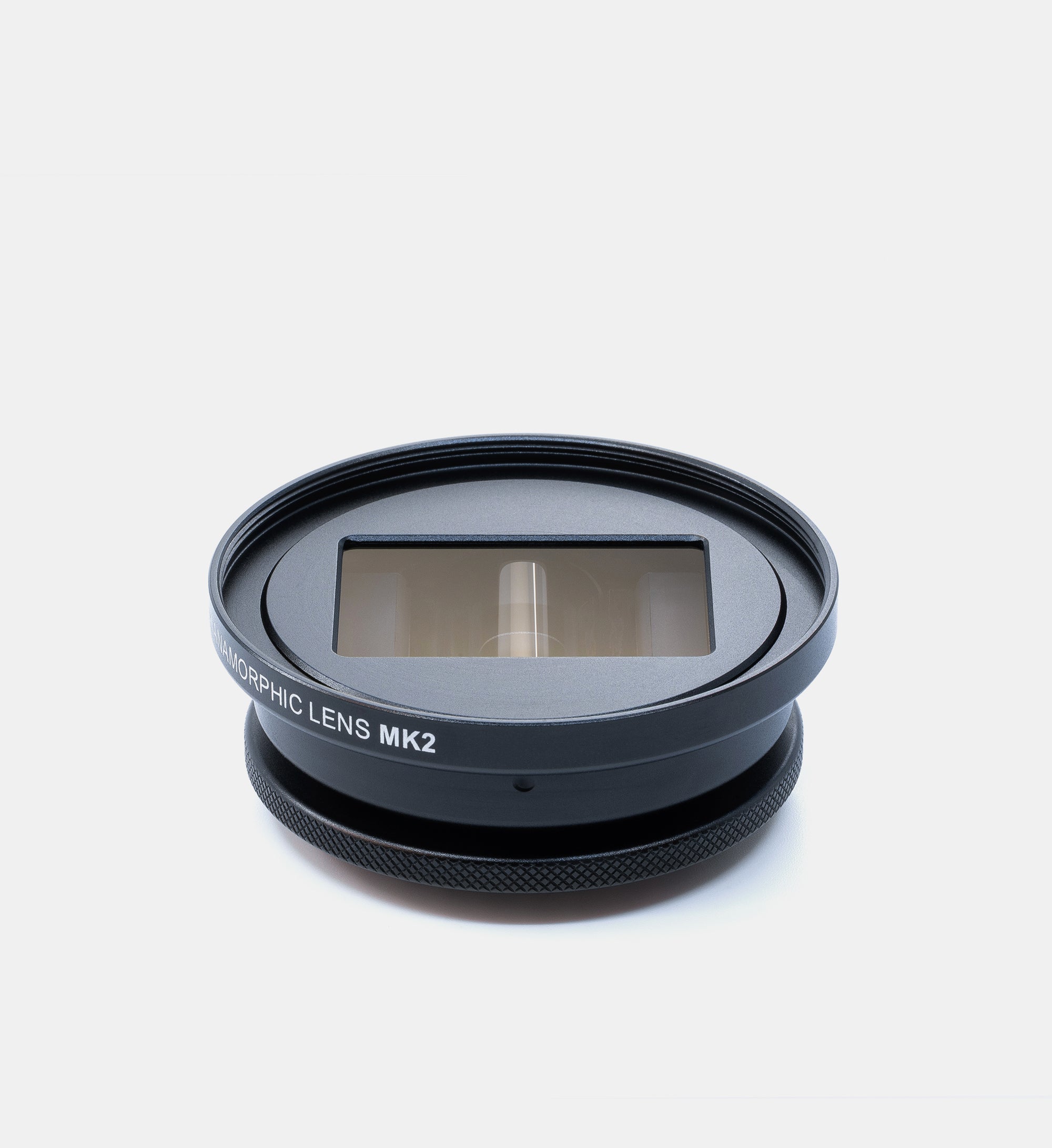
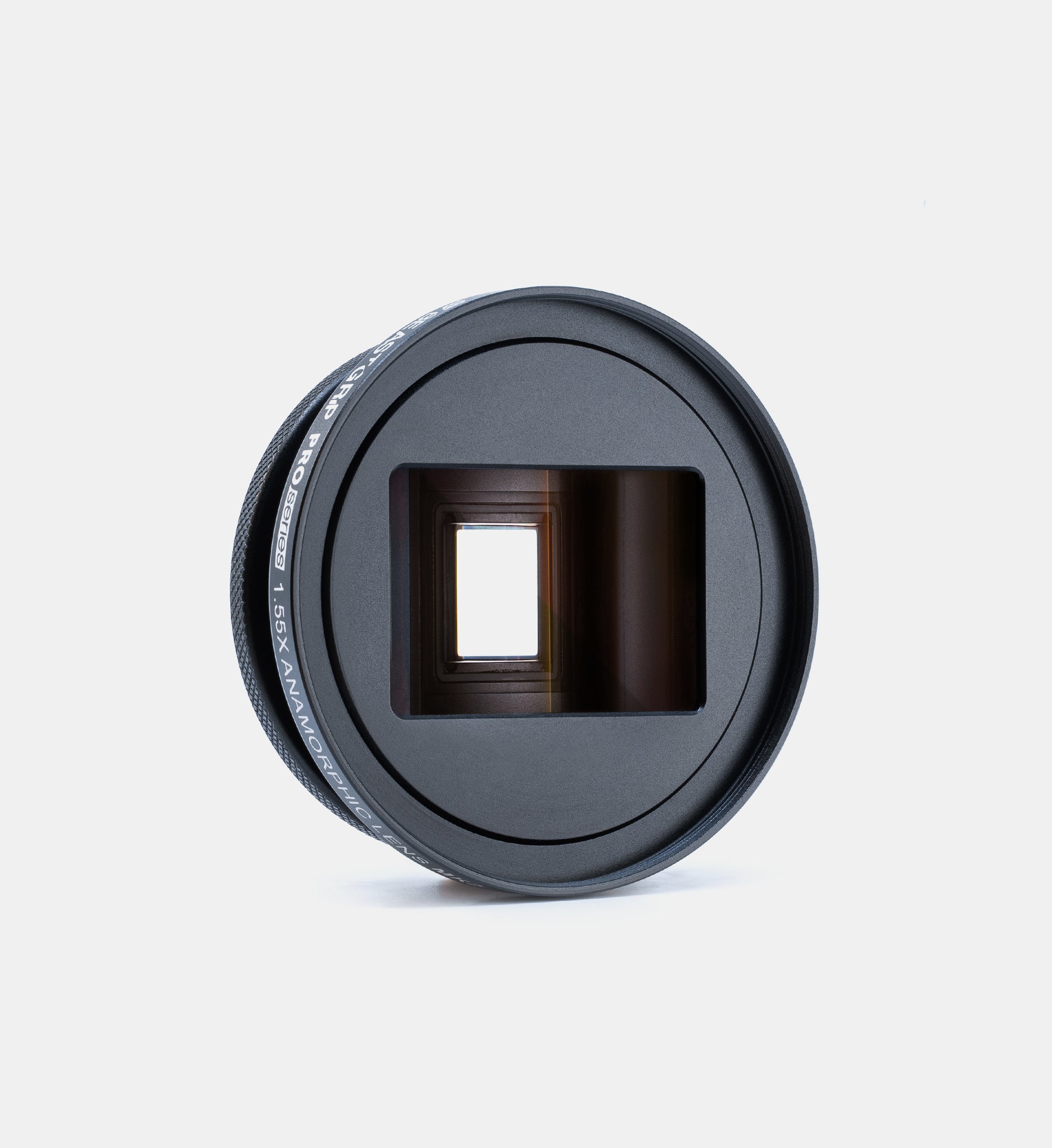
Pro Series 1.55X Anamorphic Lens MK2
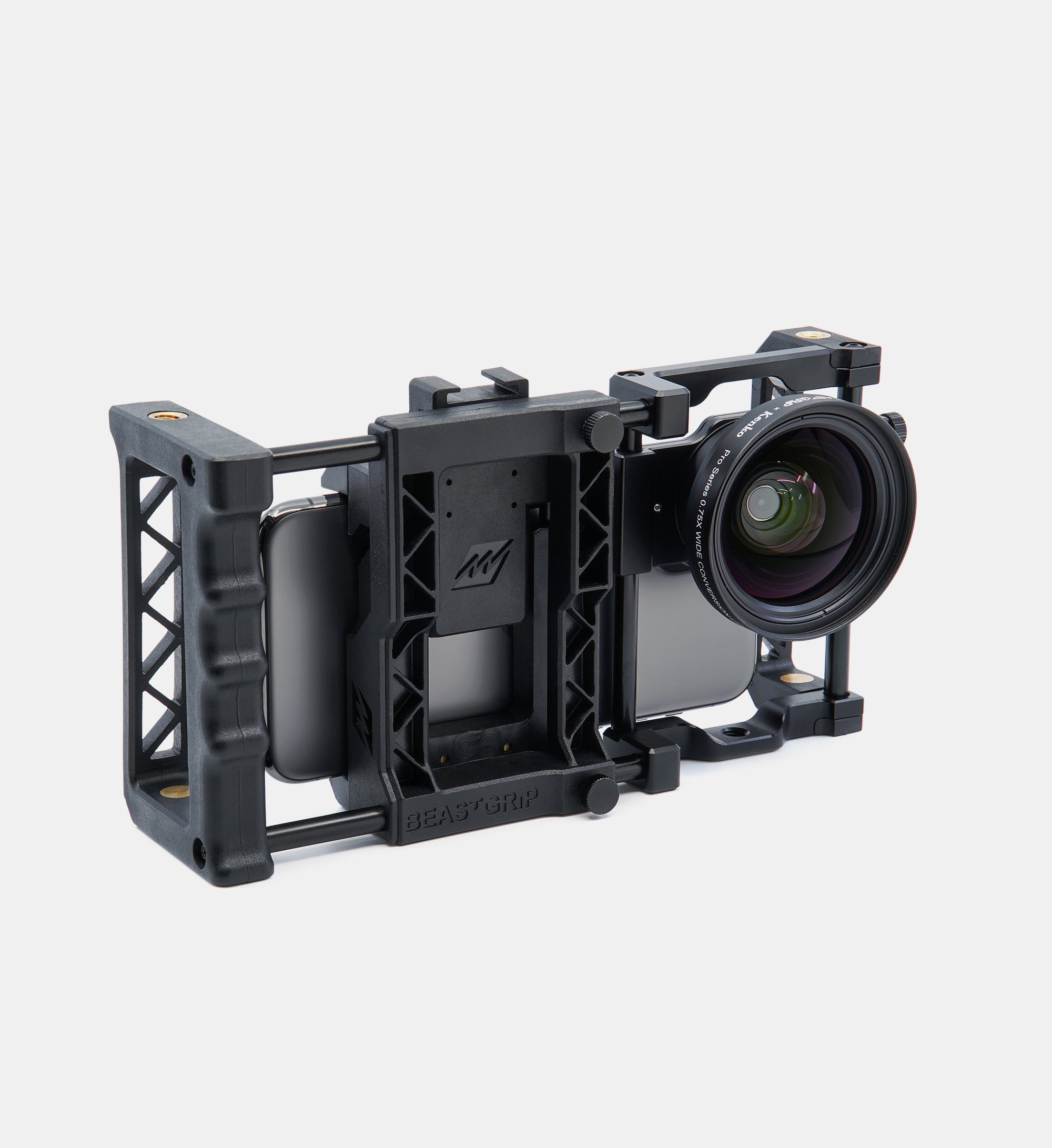
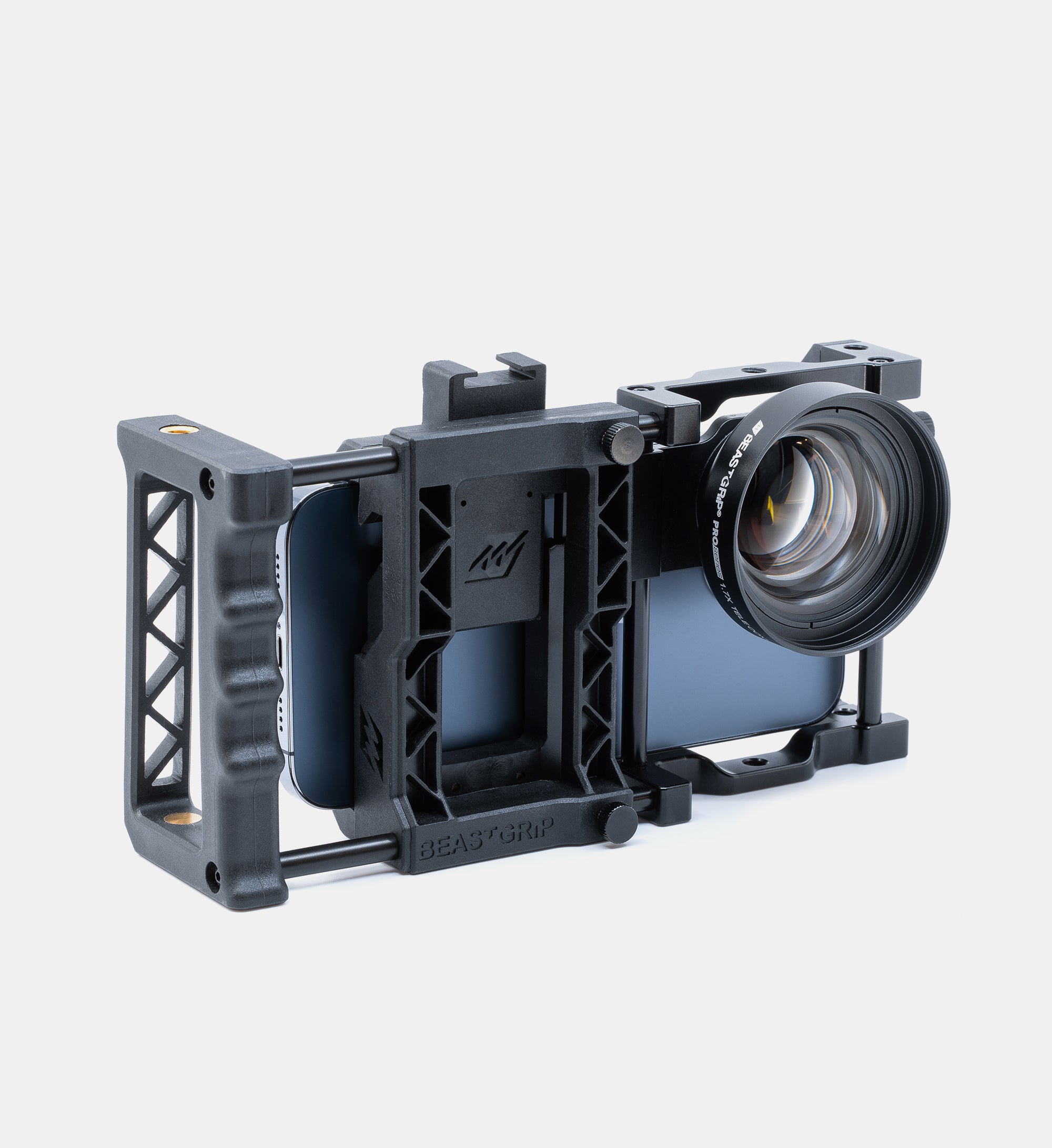
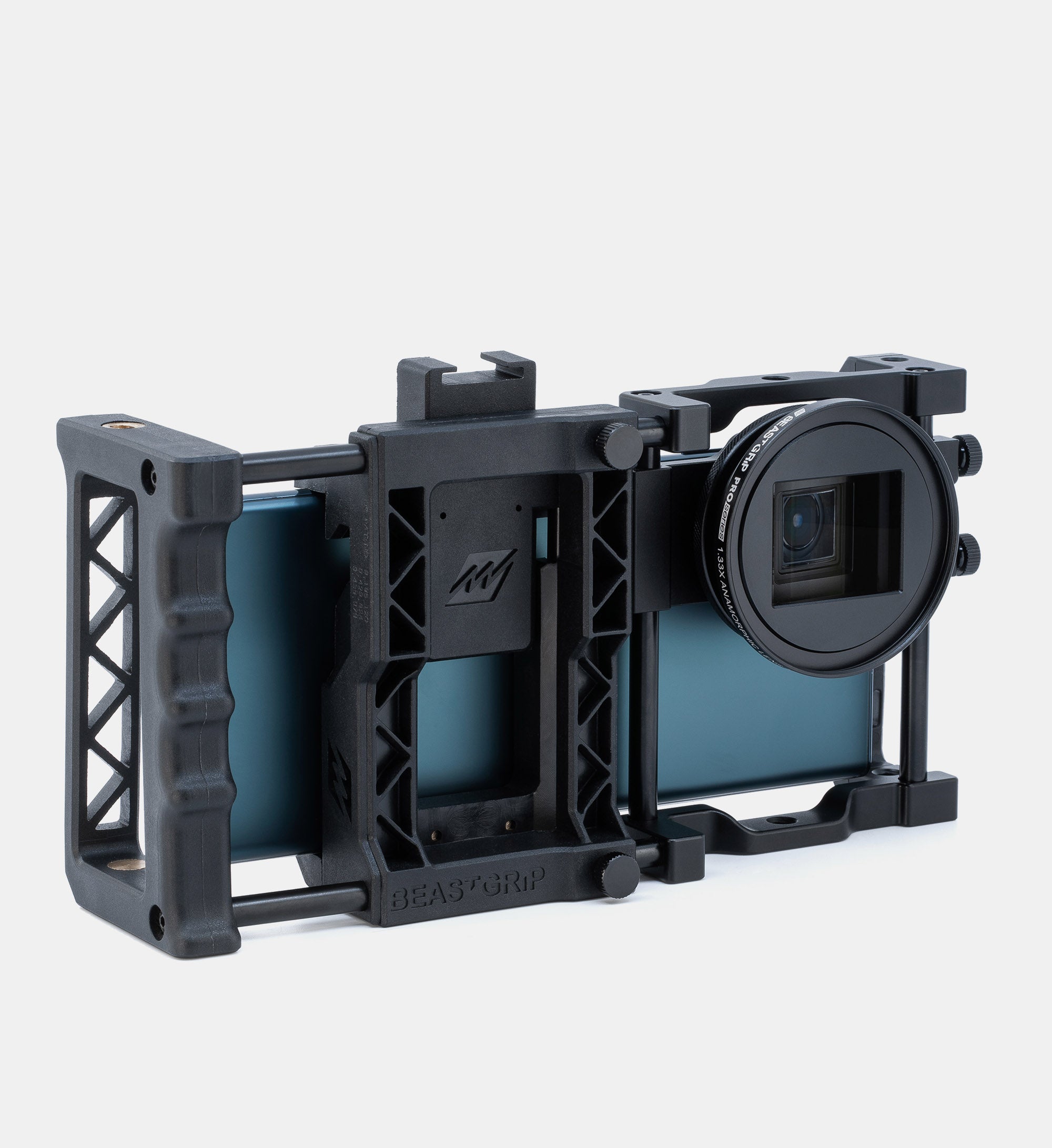
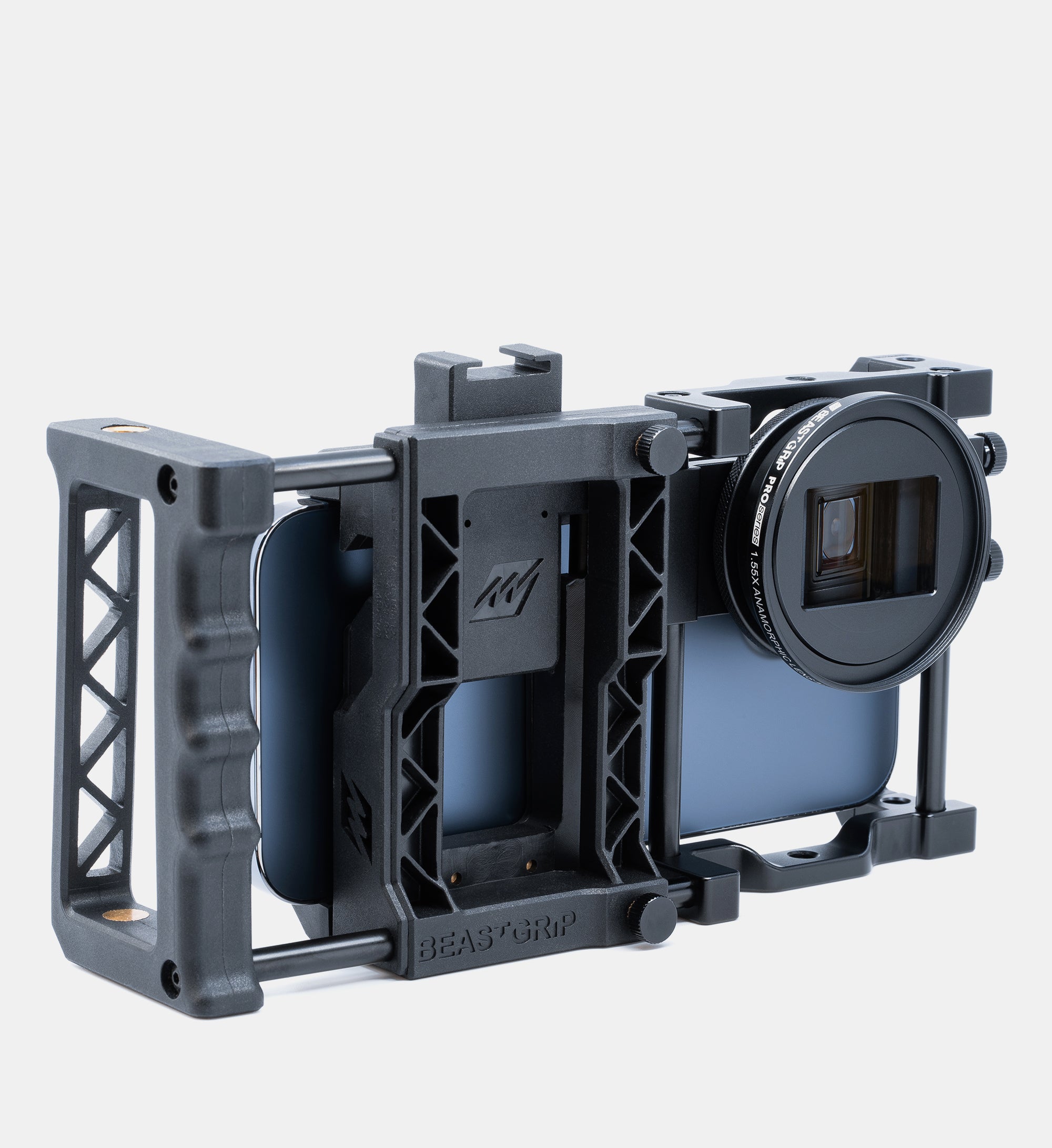
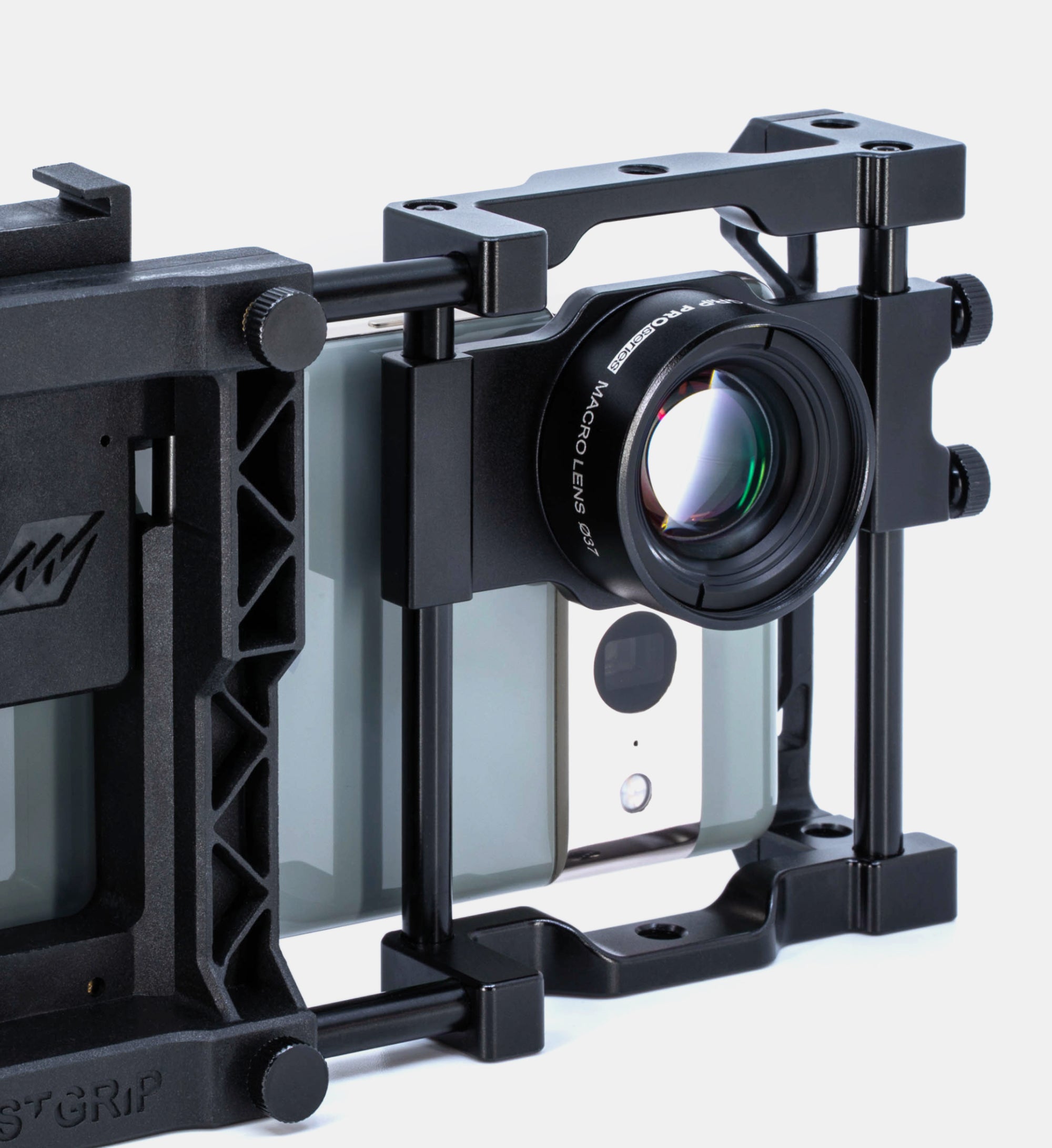
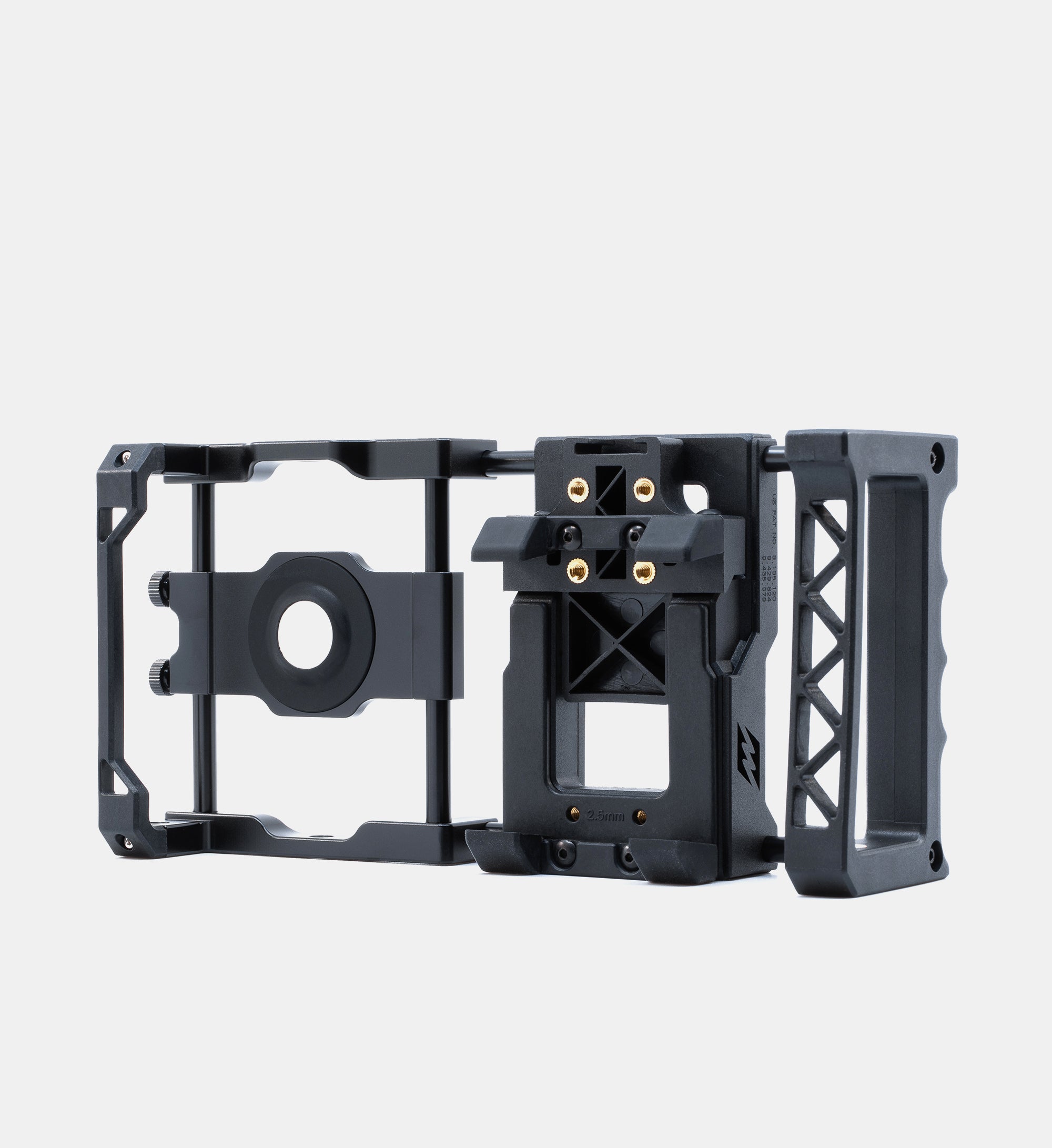
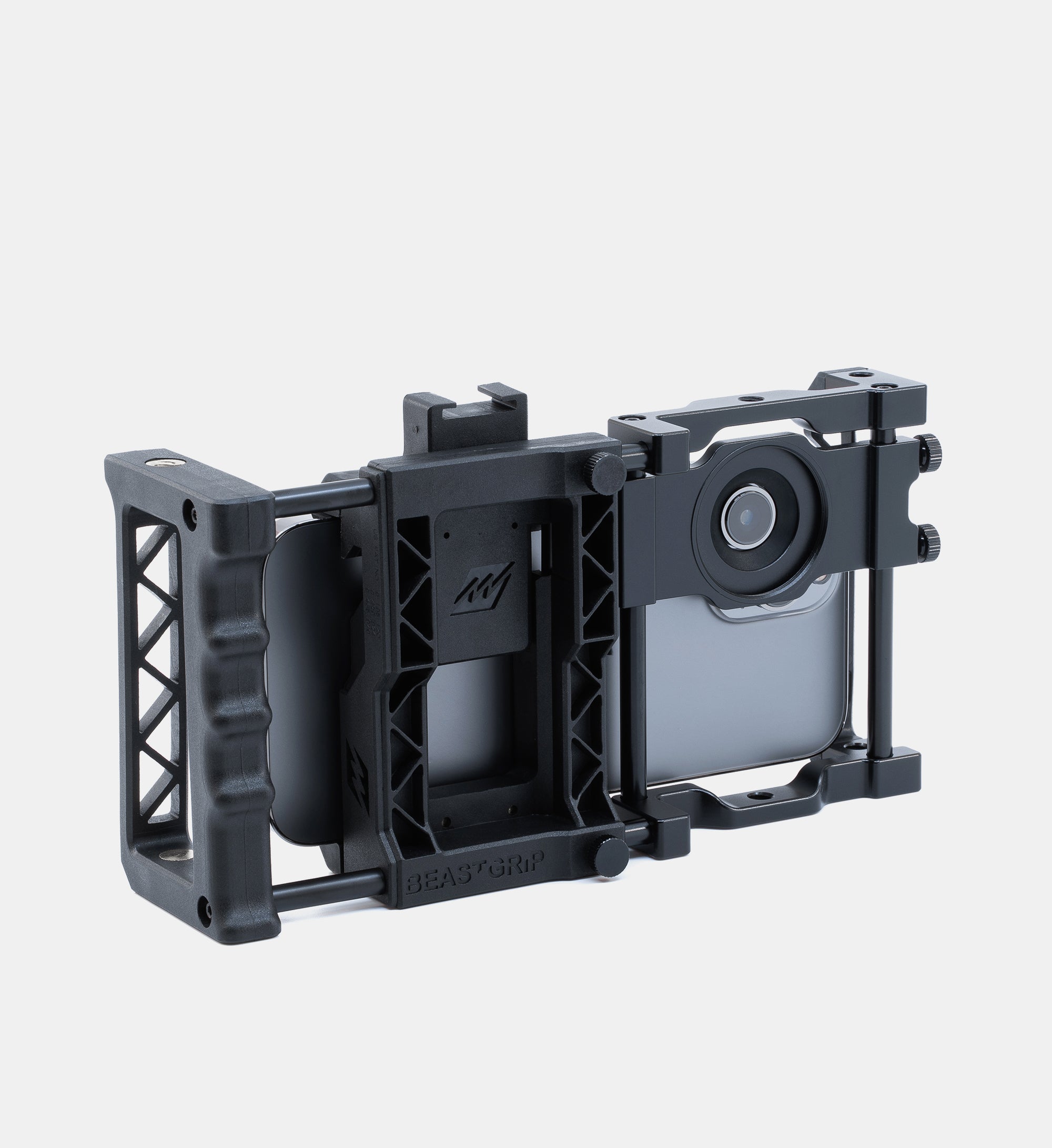
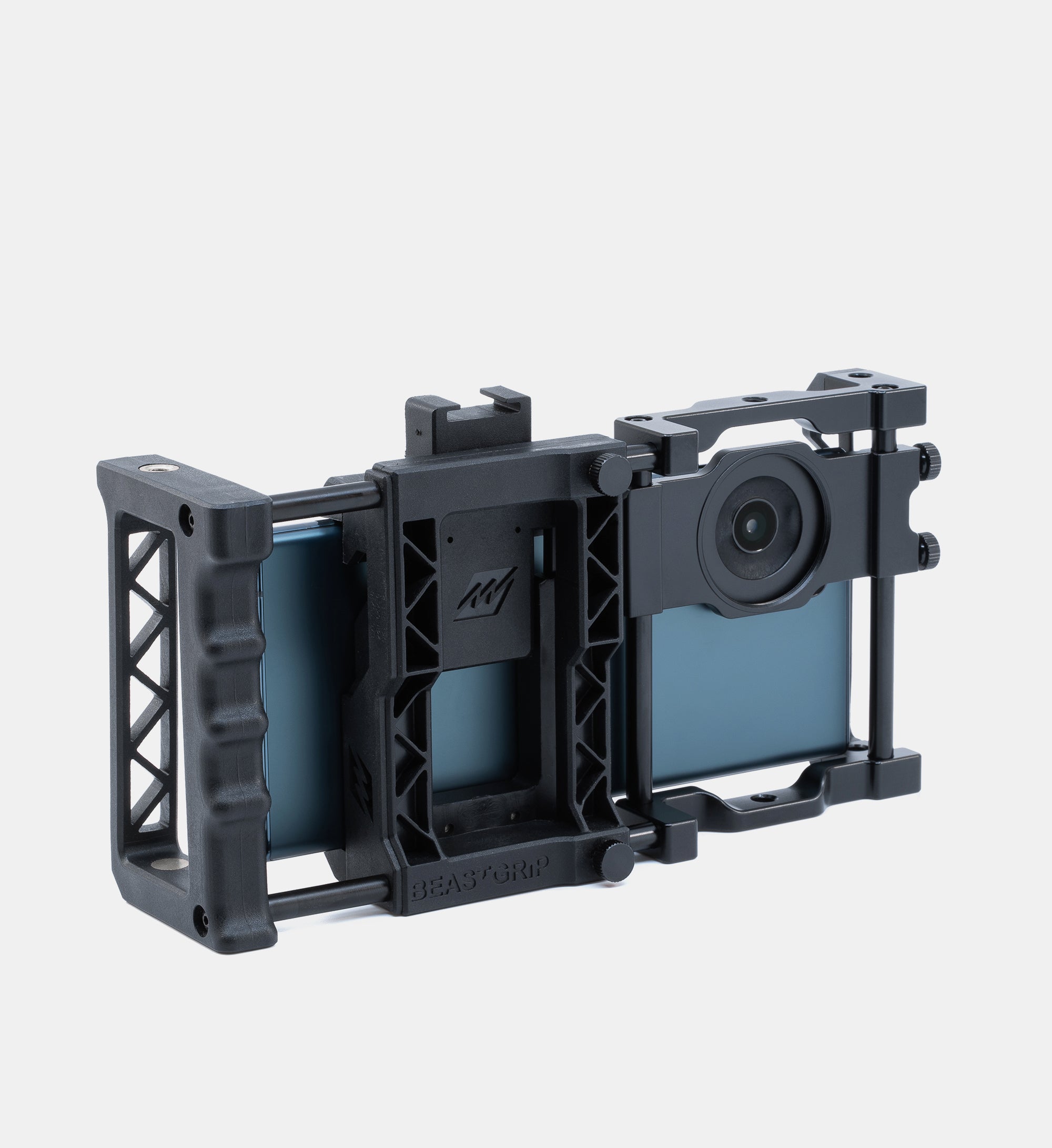
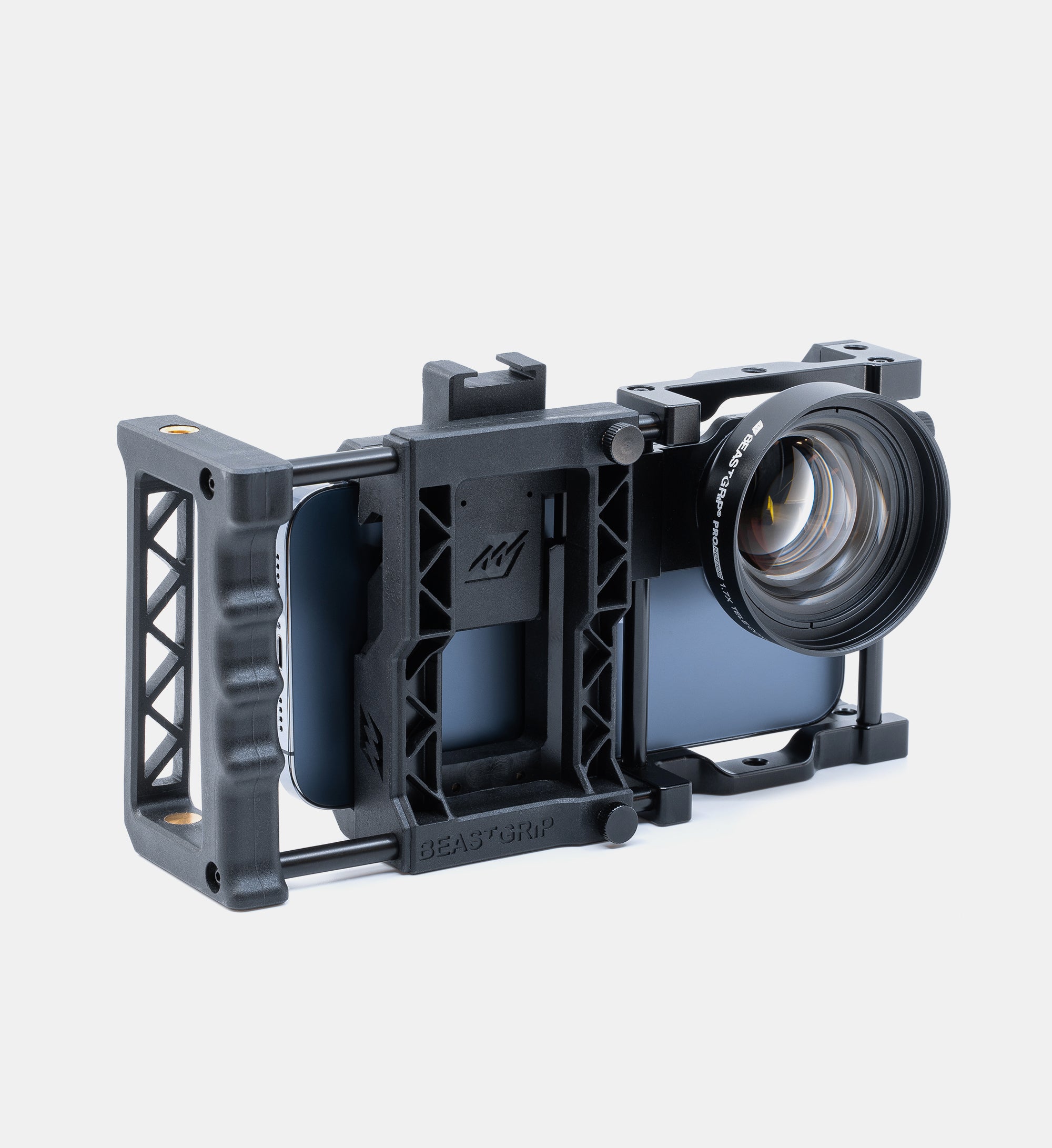
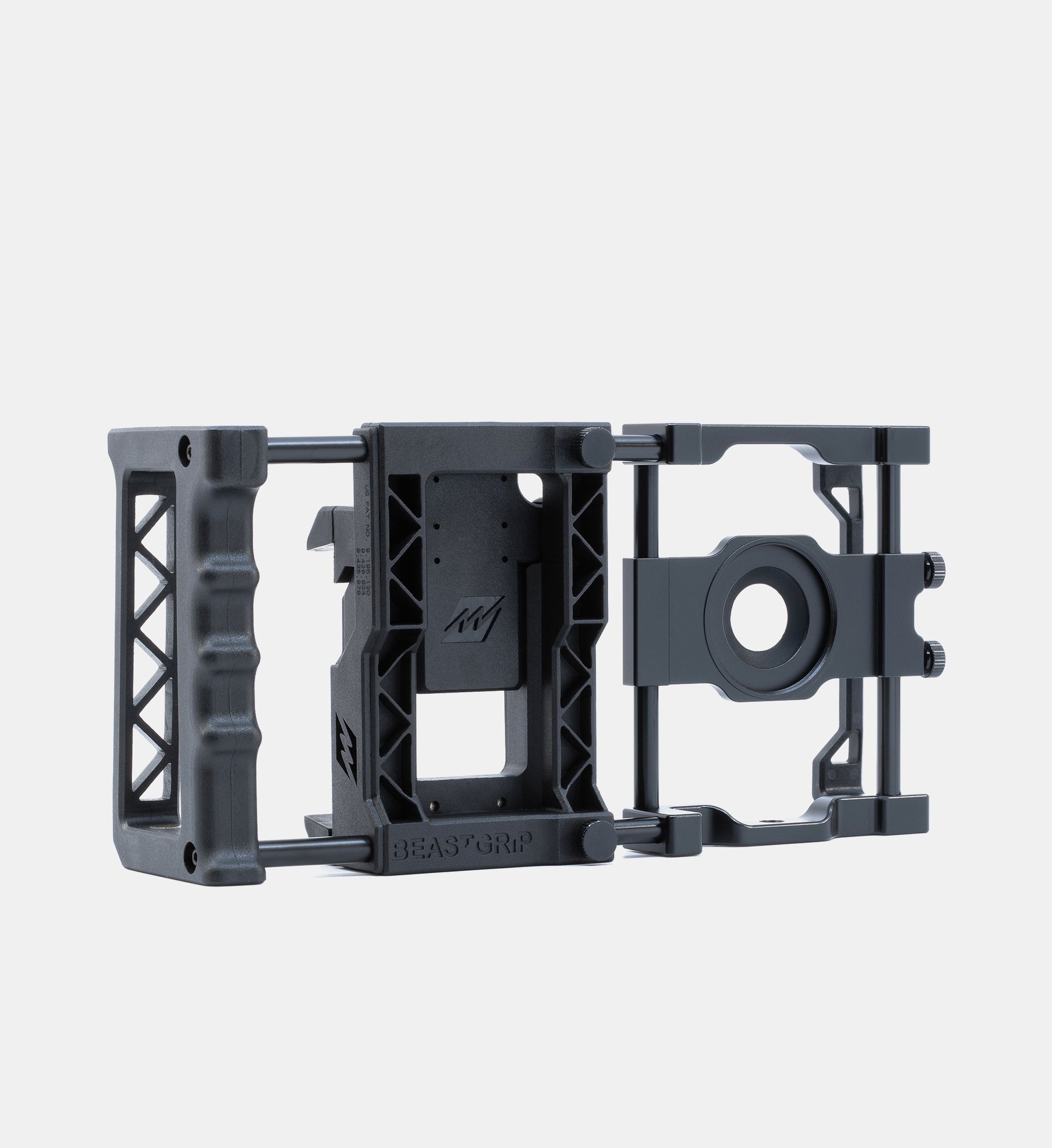
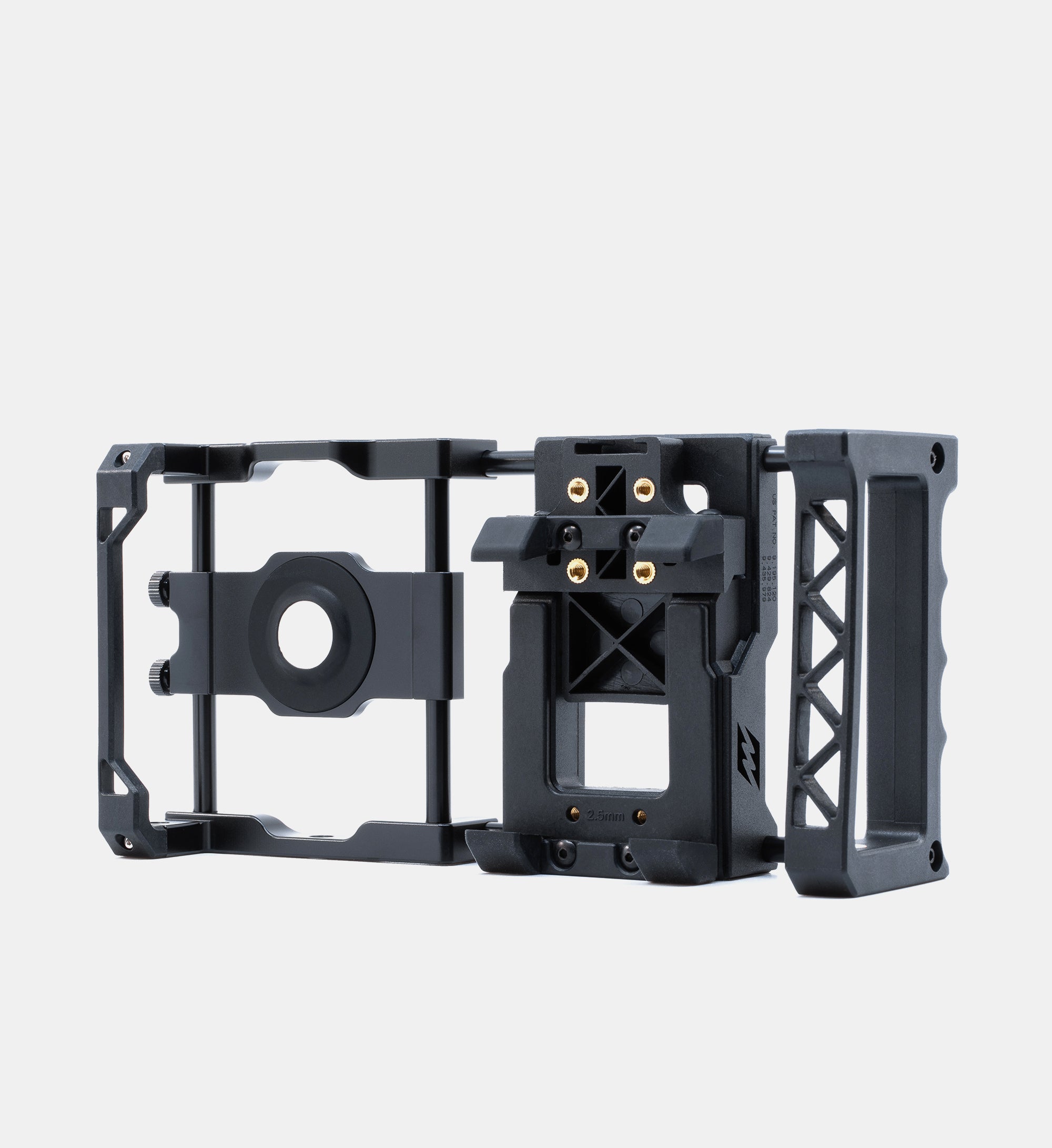
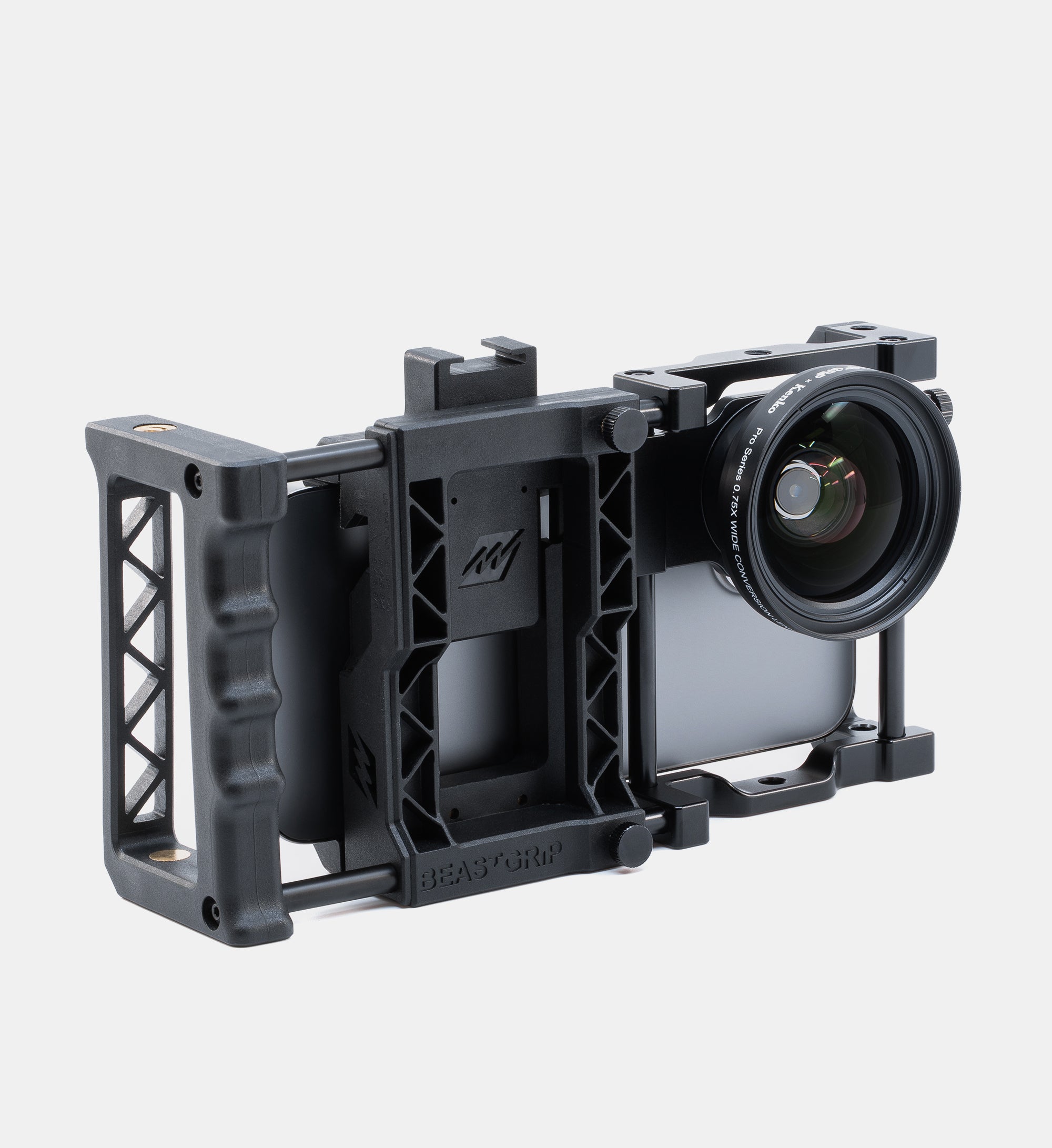
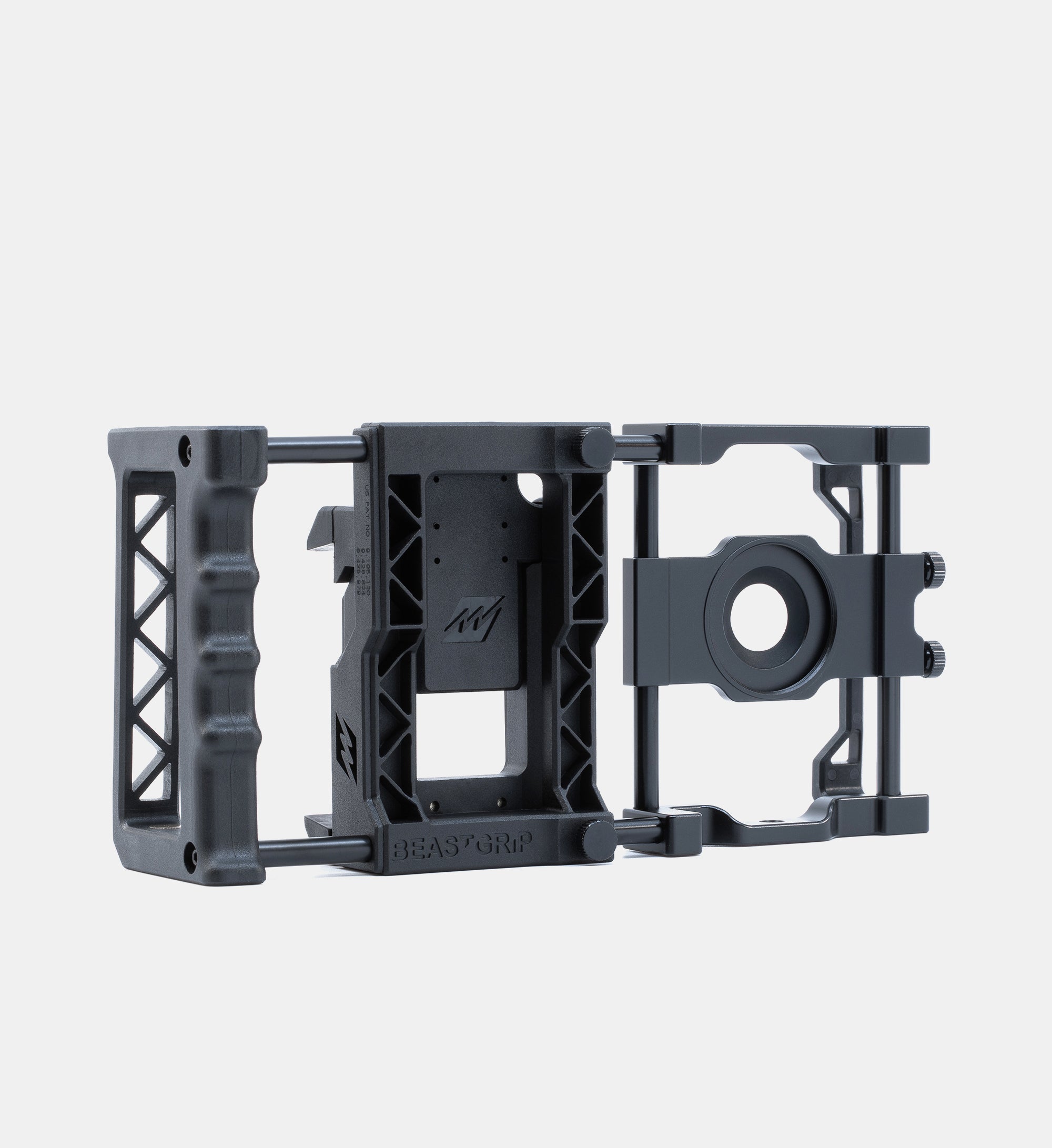
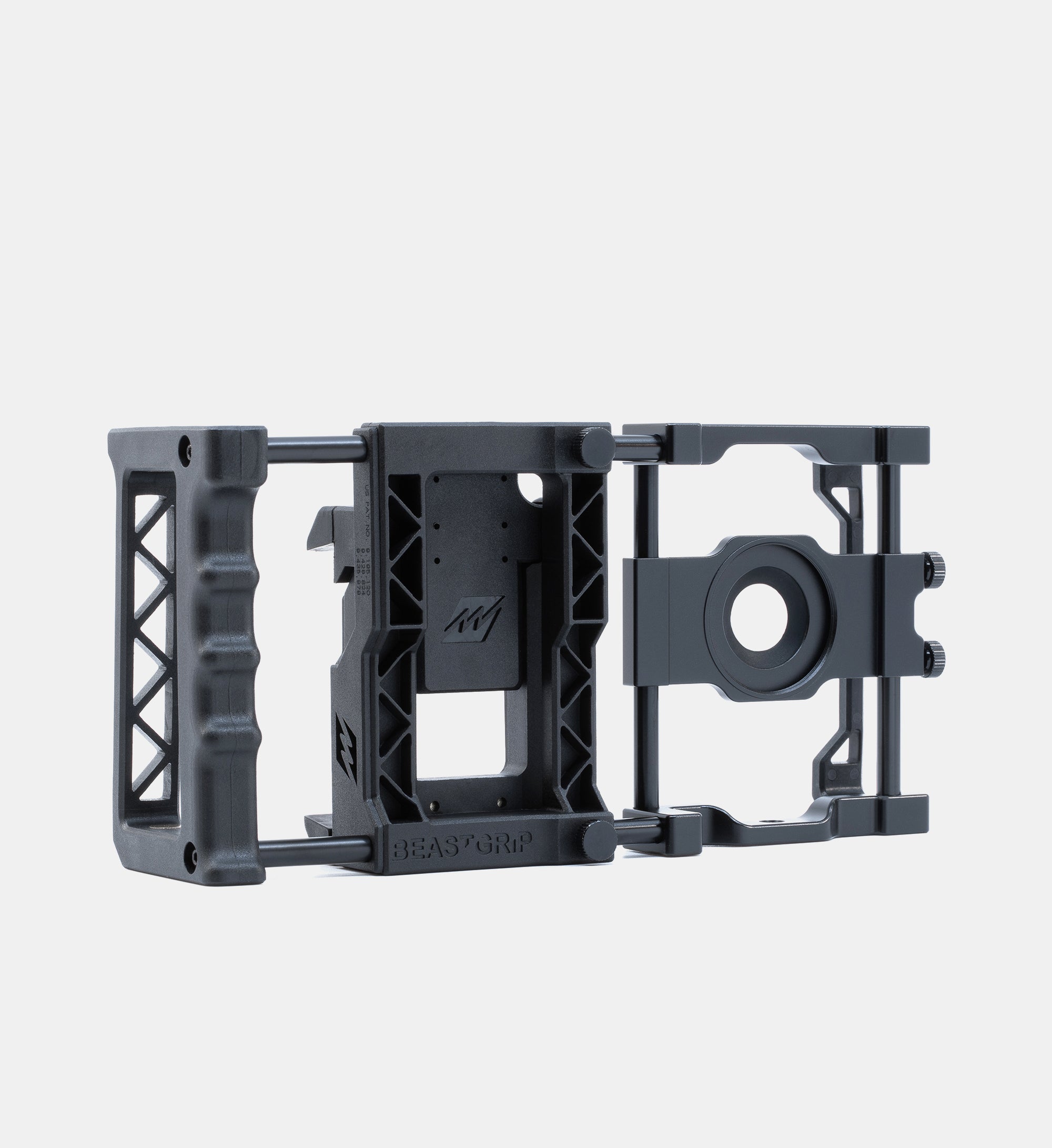
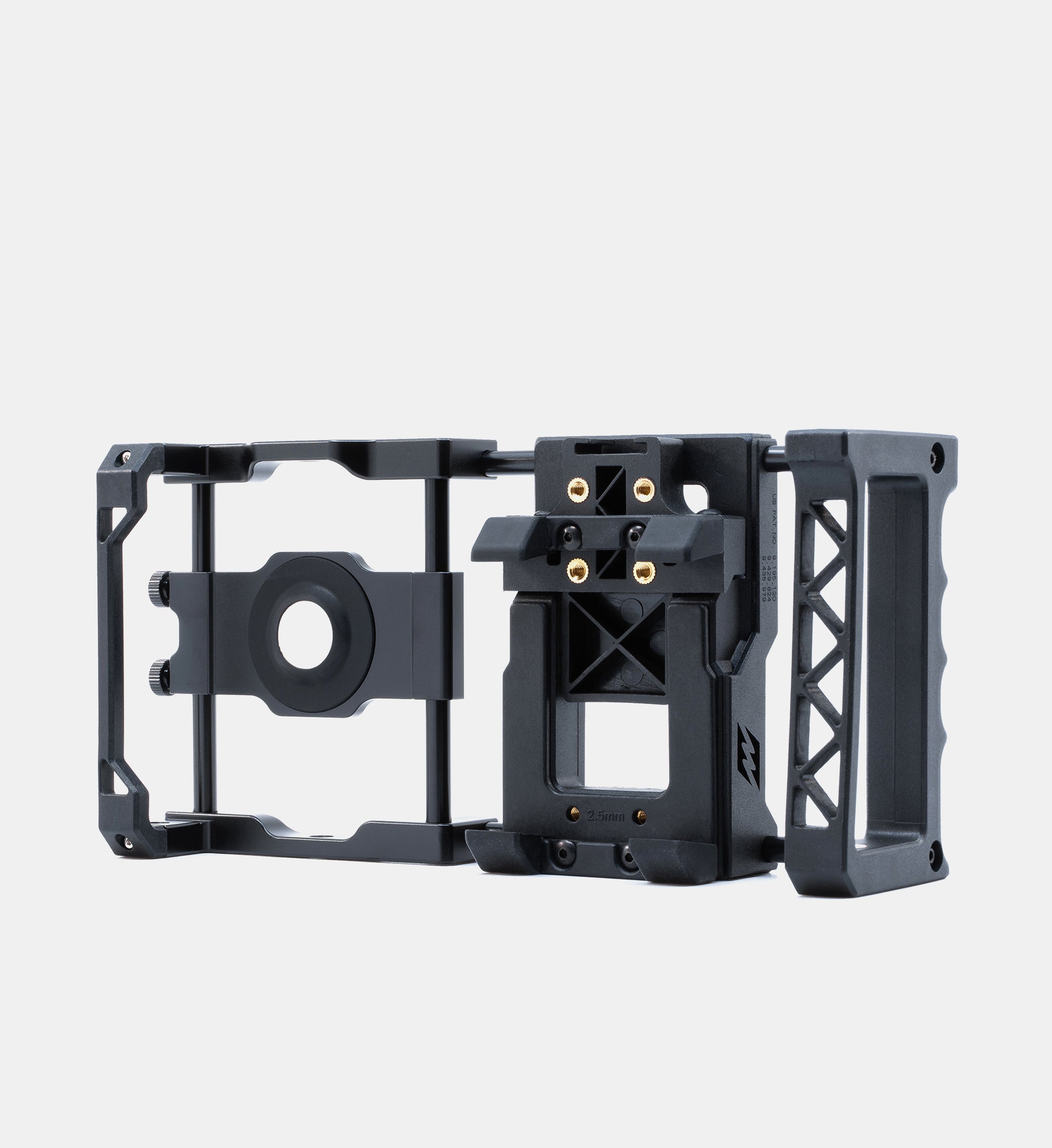
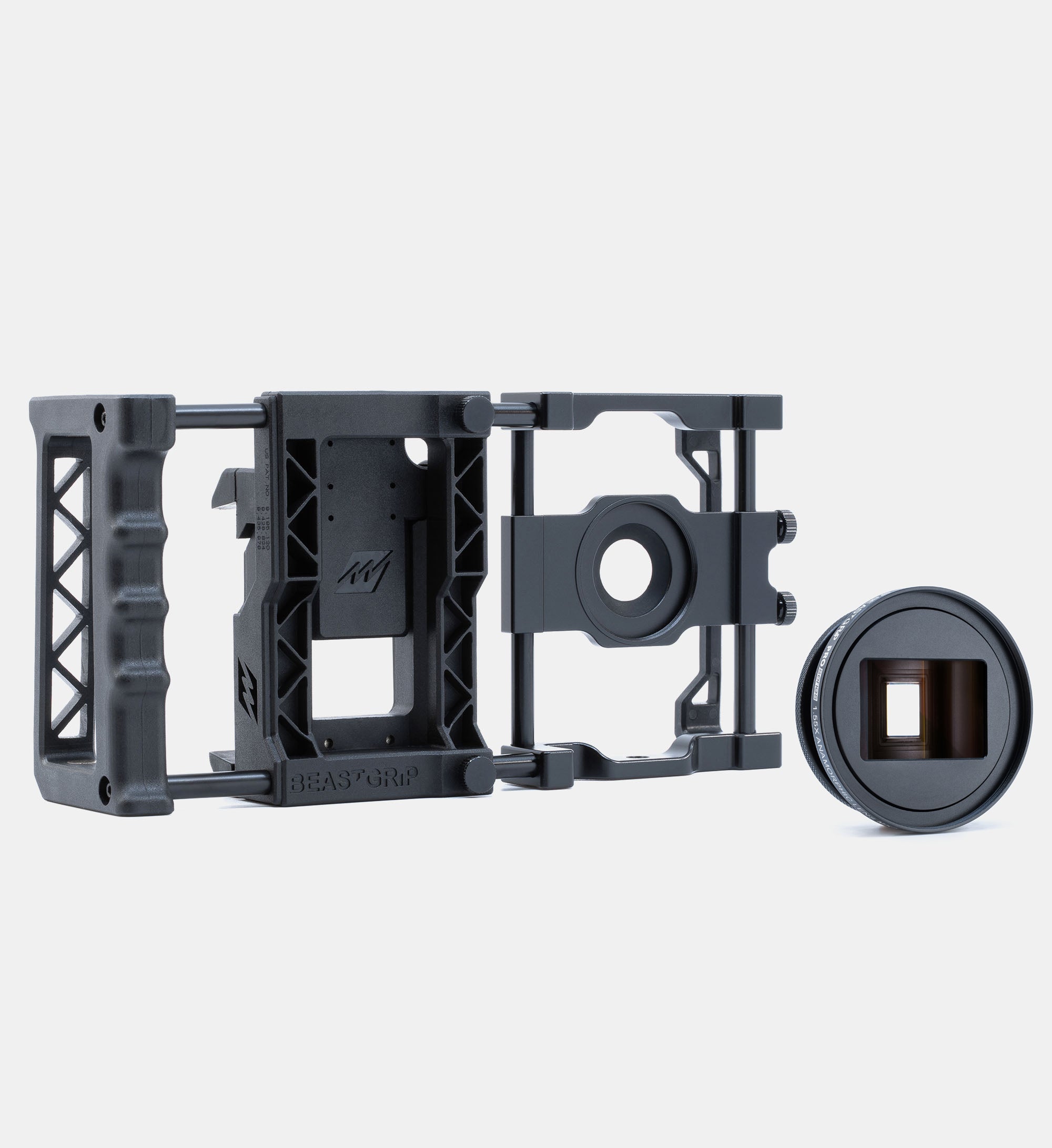
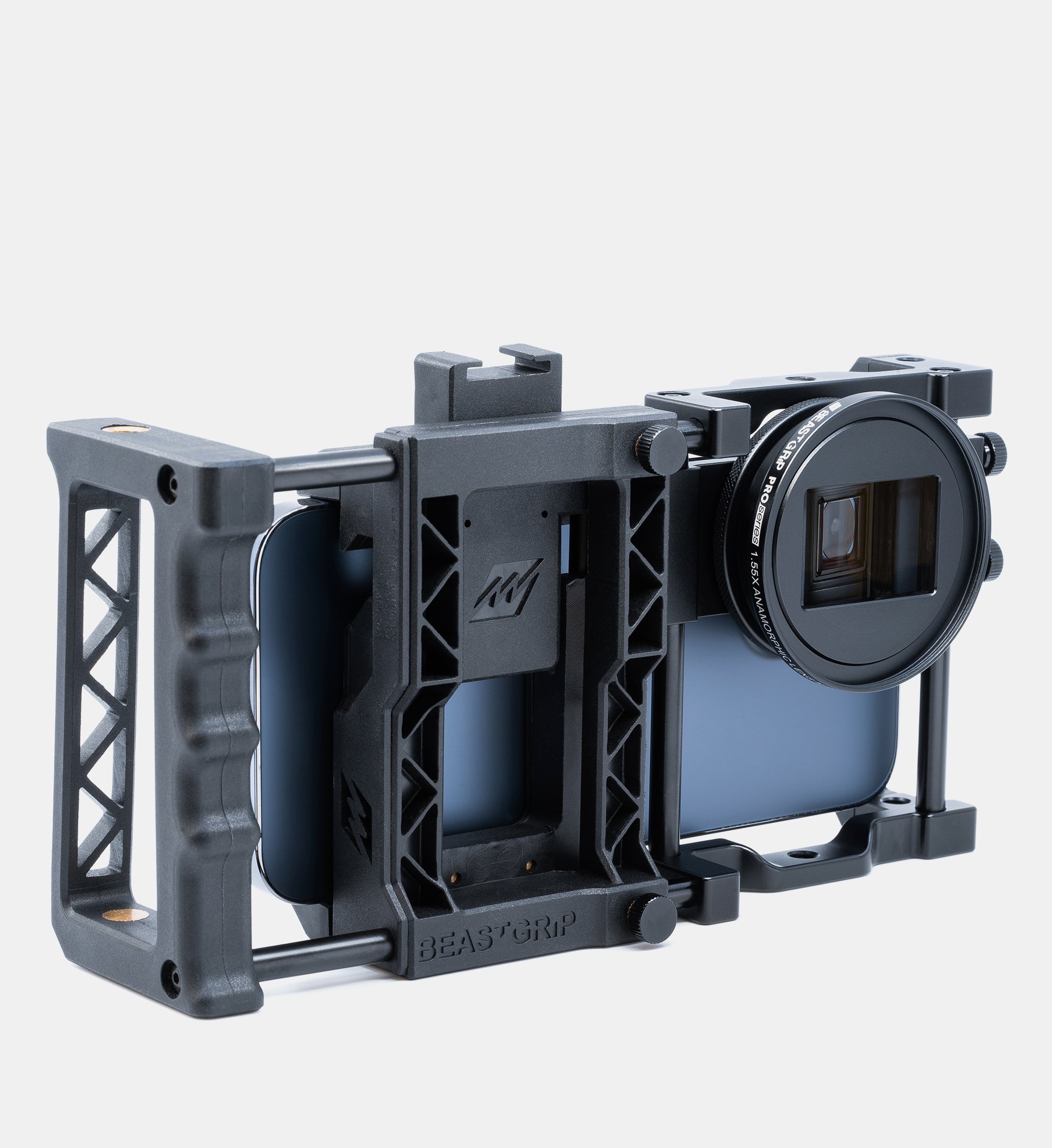
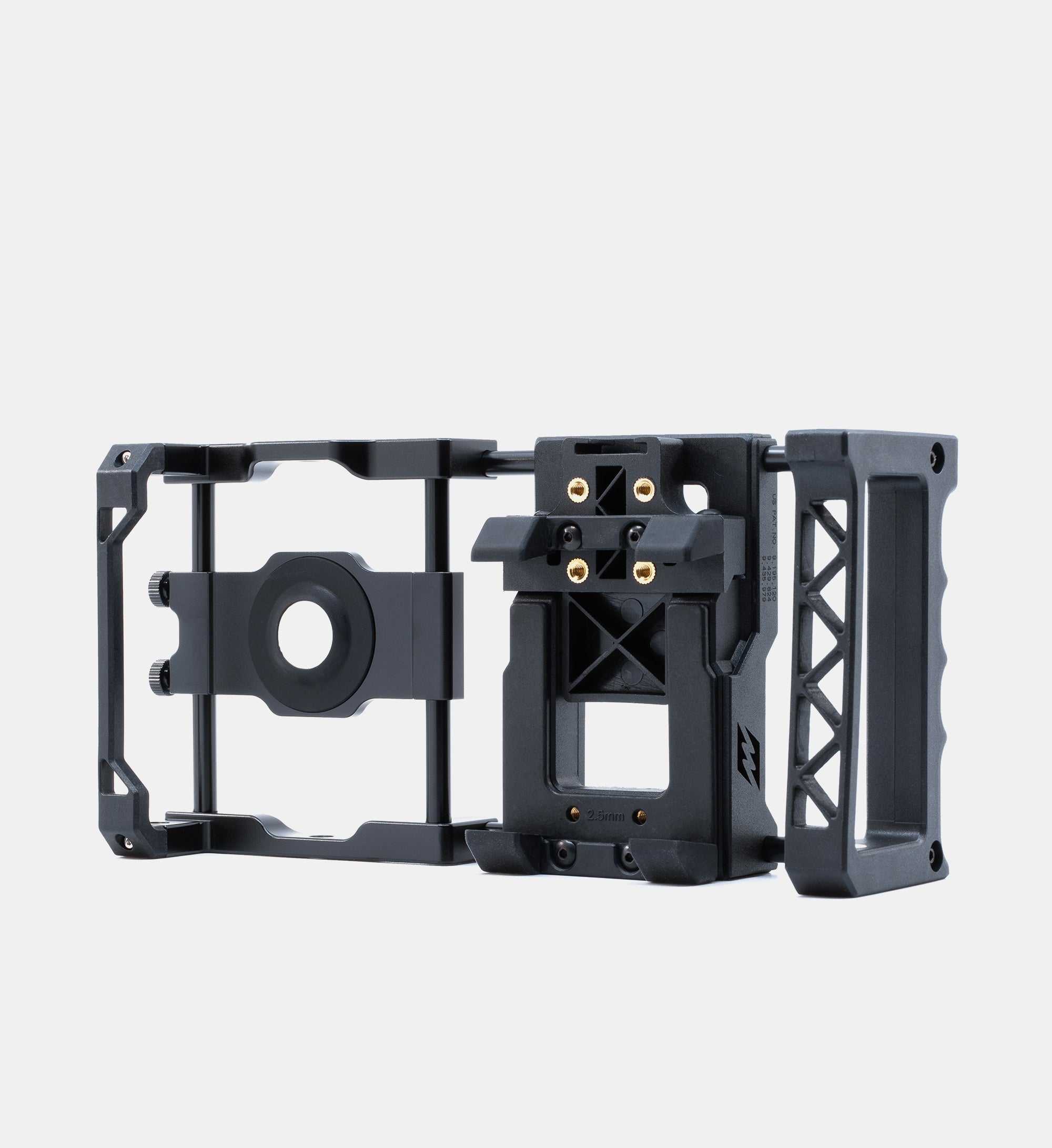
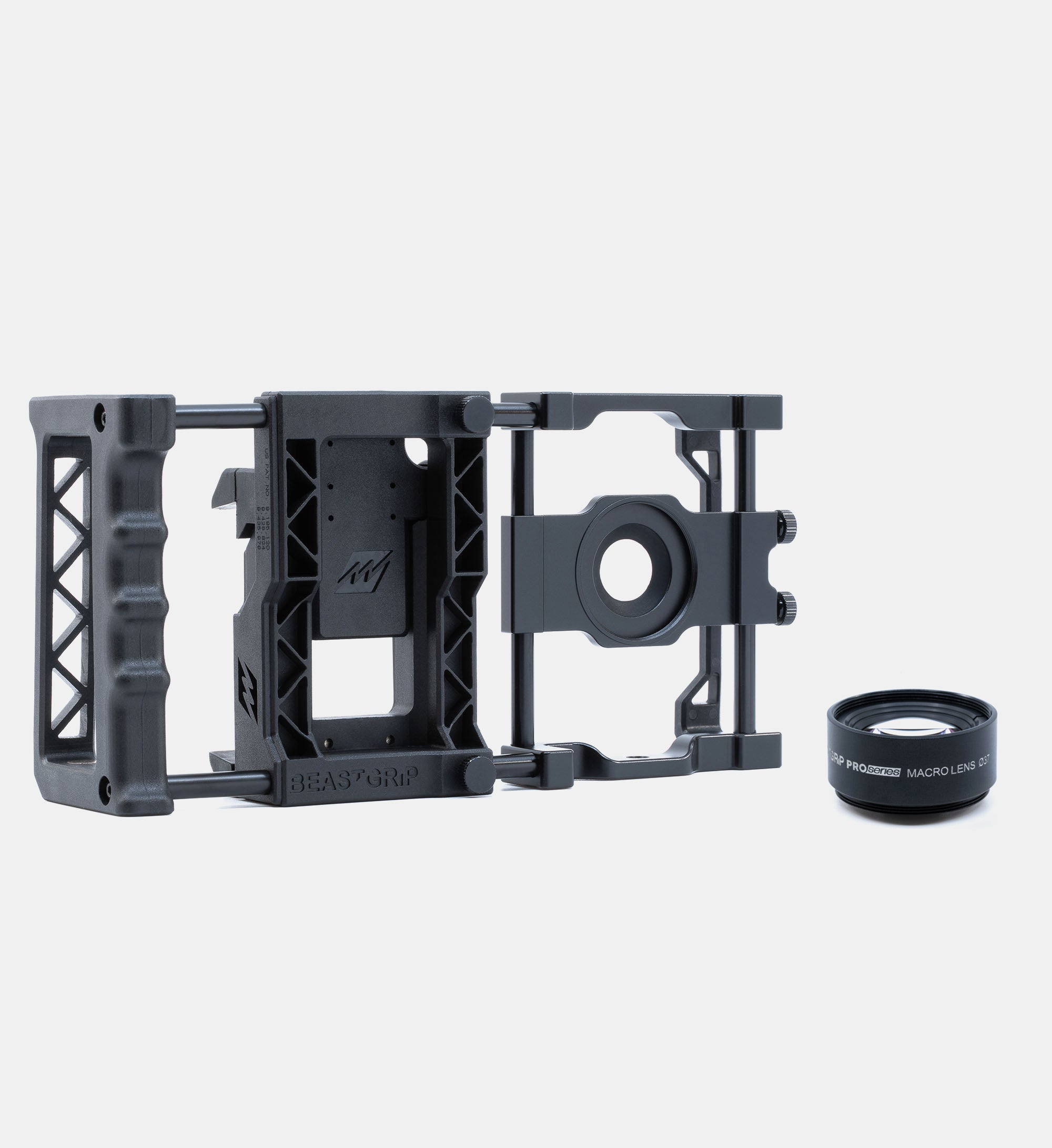
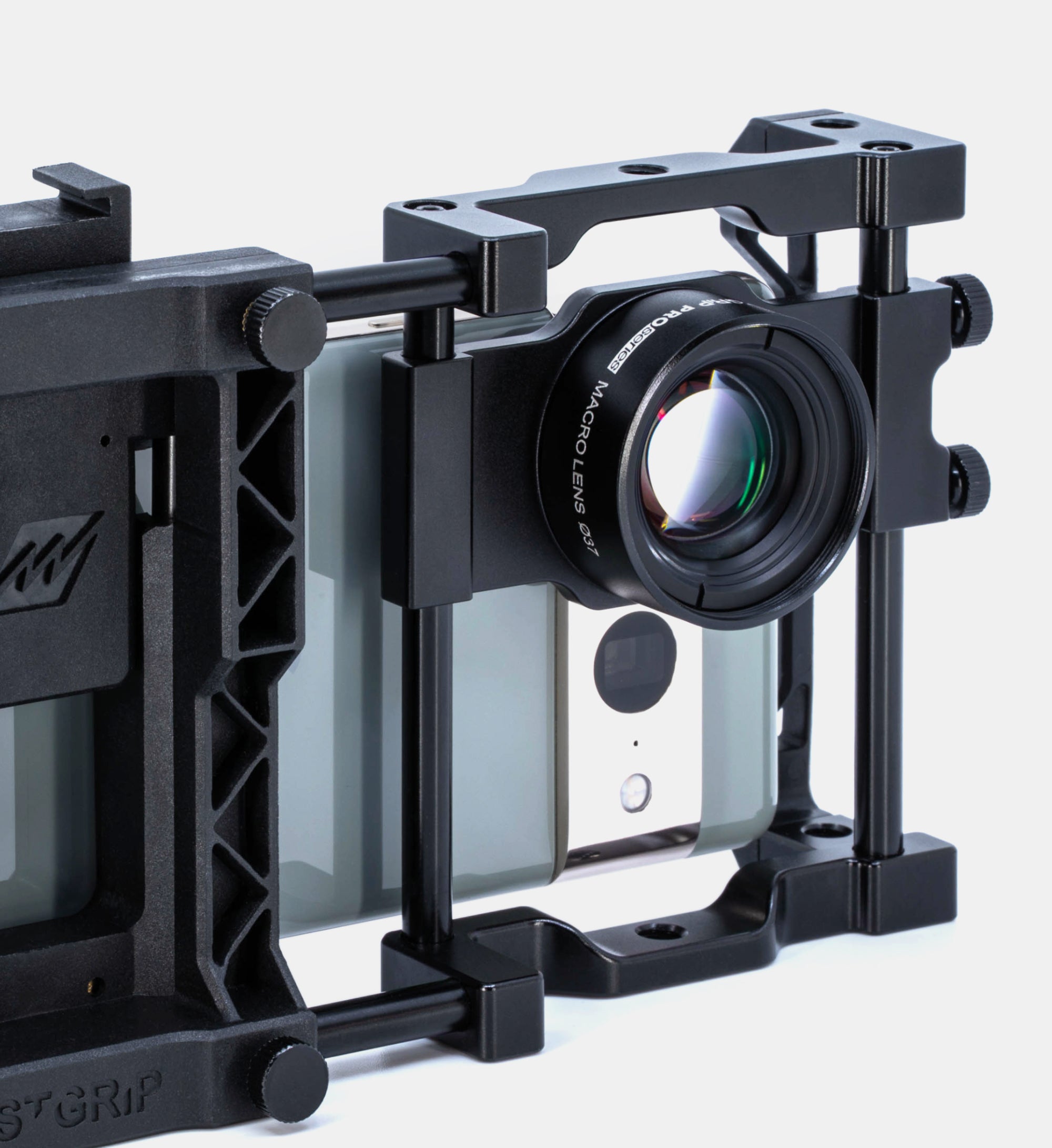
Because the Beastgrip Pro is a universal and adjustable smartphone rig, we expect it to work great with the iPhone 18 Pro and iPhone 18 Pro Max.
Its adjustable camera alignment allows the lens mount to be positioned precisely over the phone's camera, which is exactly why Beastgrip Pro has remained compatible across so many different generations of smartphones.
We will still test both new models and determine the ideal alignment once we have them in hand.
Beastgrip Pro + 1.7X Telephoto Lens Bundle
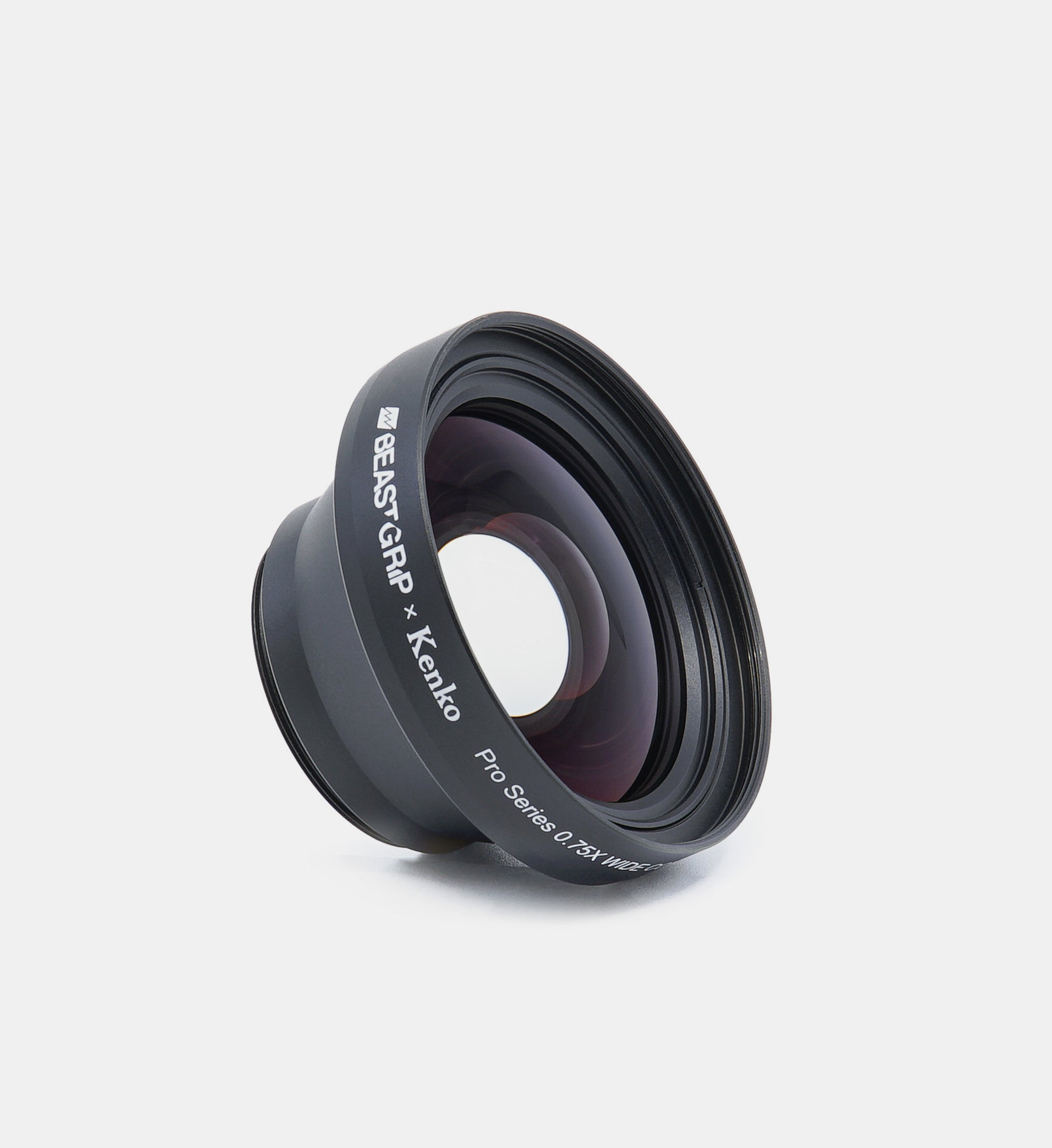
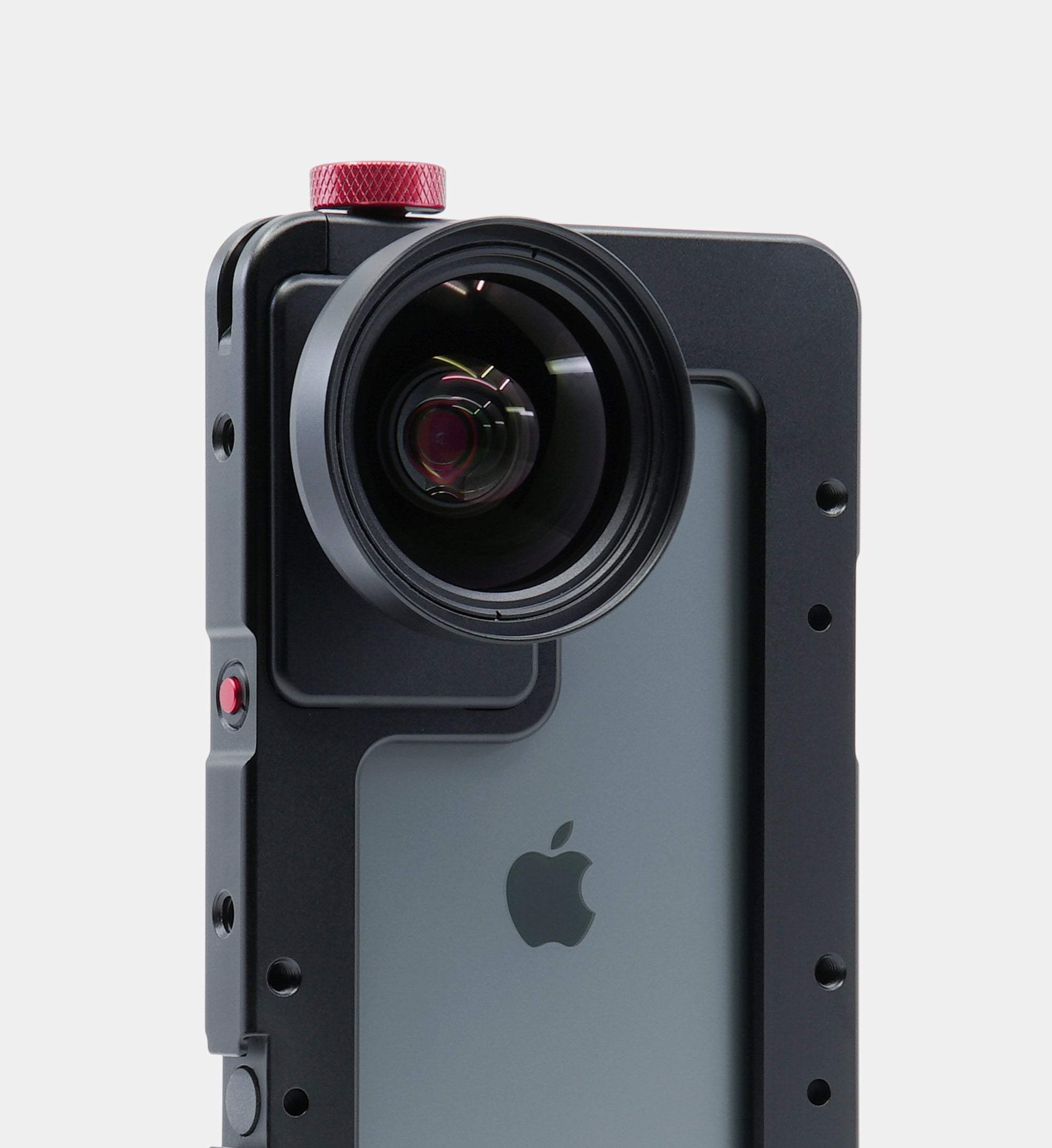
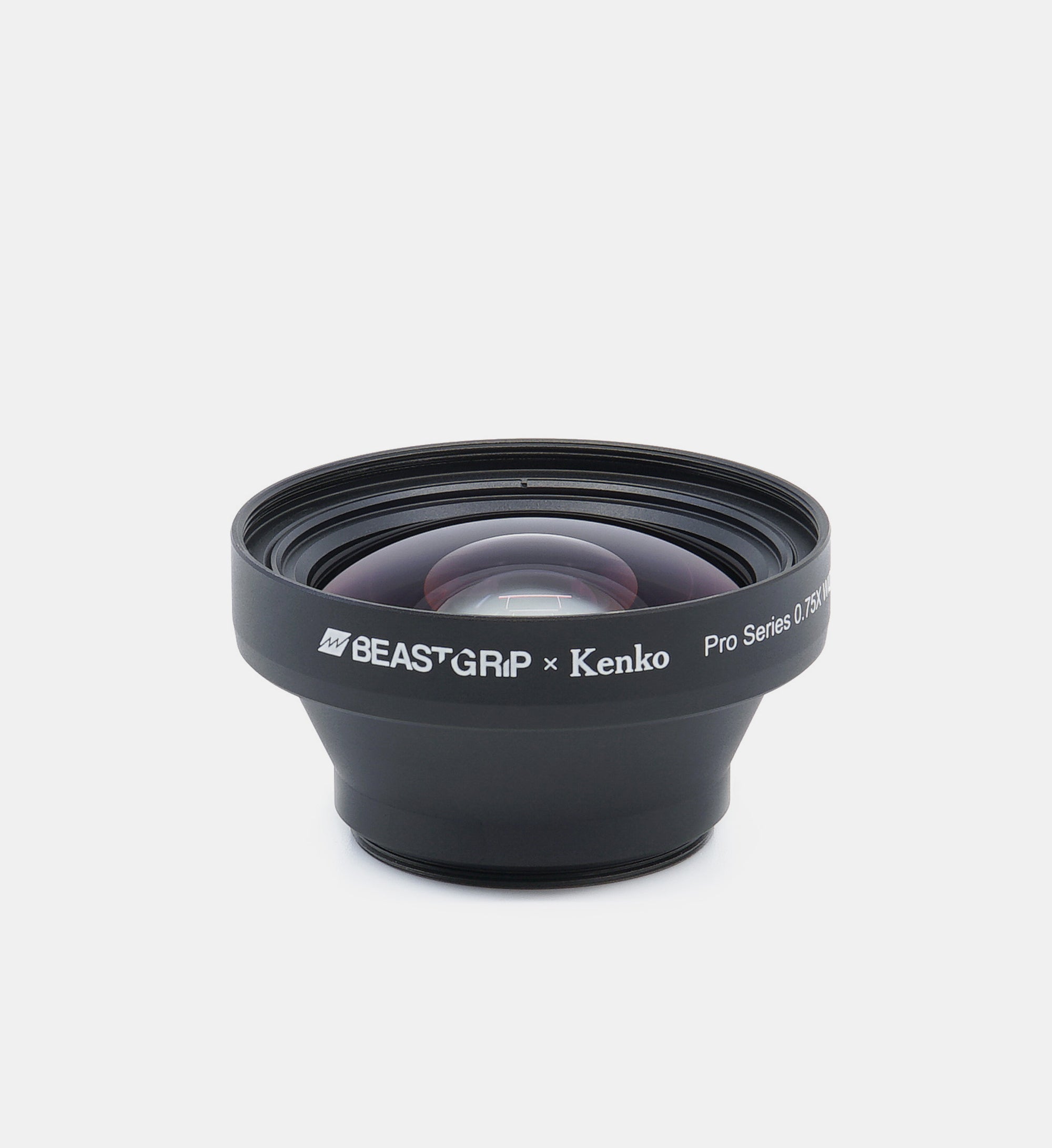
Beastgrip Pro + Kenko 0.75X Wide Angle Lens Bundle
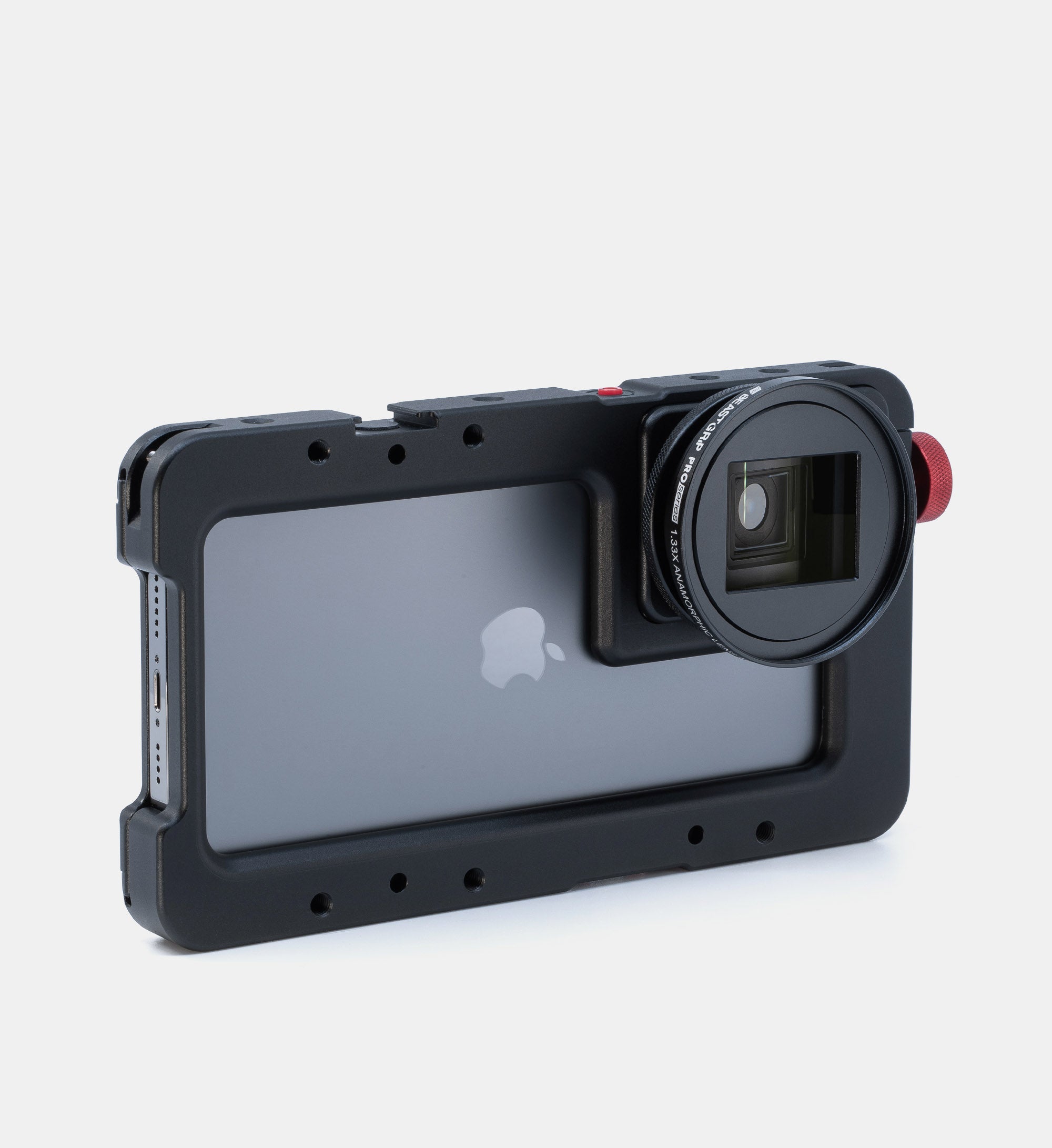
Beastgrip Pro + 1.33X Anamorphic Lens MK2 Bundle
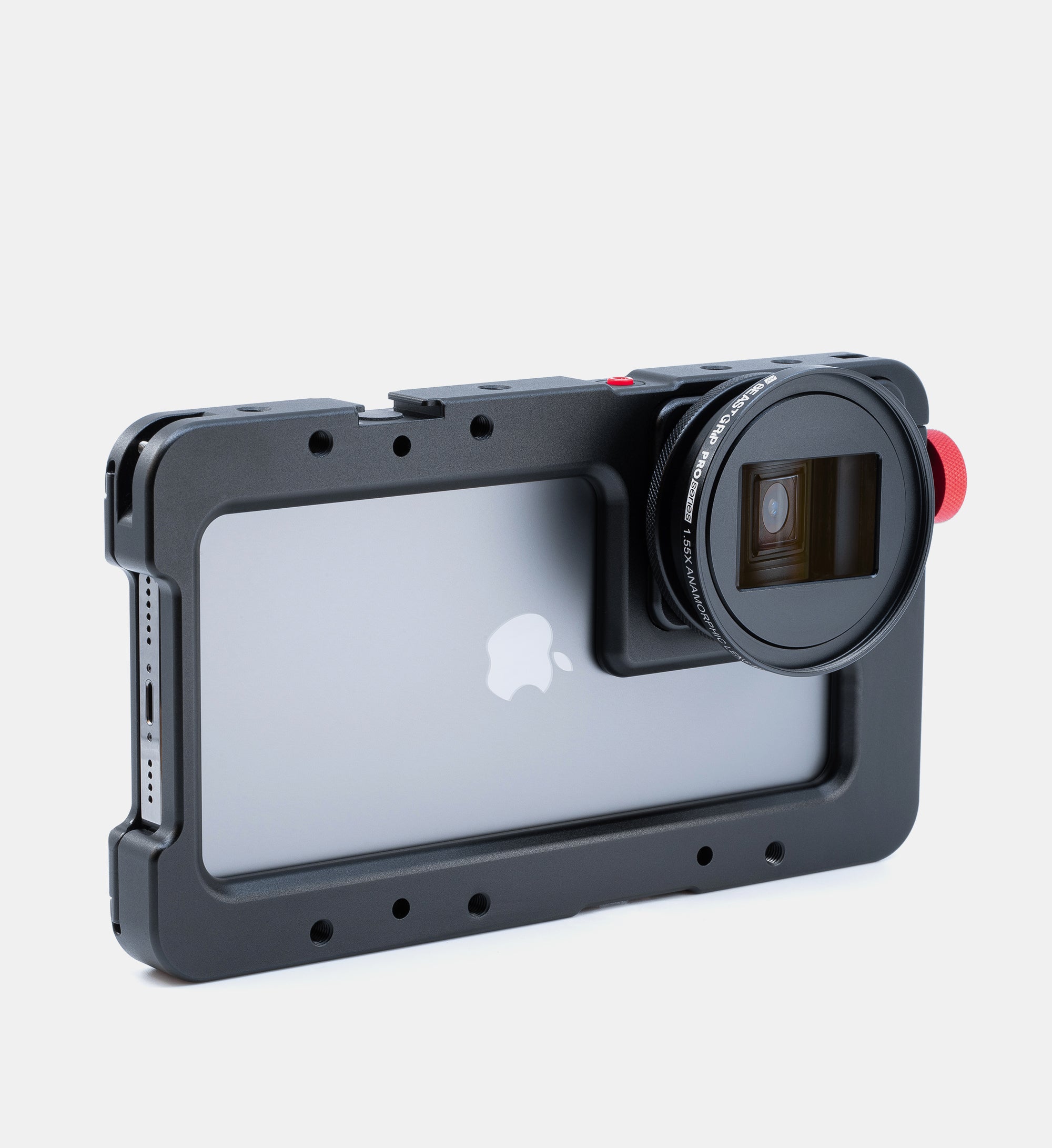
Beastgrip Pro + 1.55X Anamorphic Lens MK2 Bundle
Beastgrip Pro + Macro Lens Bundle
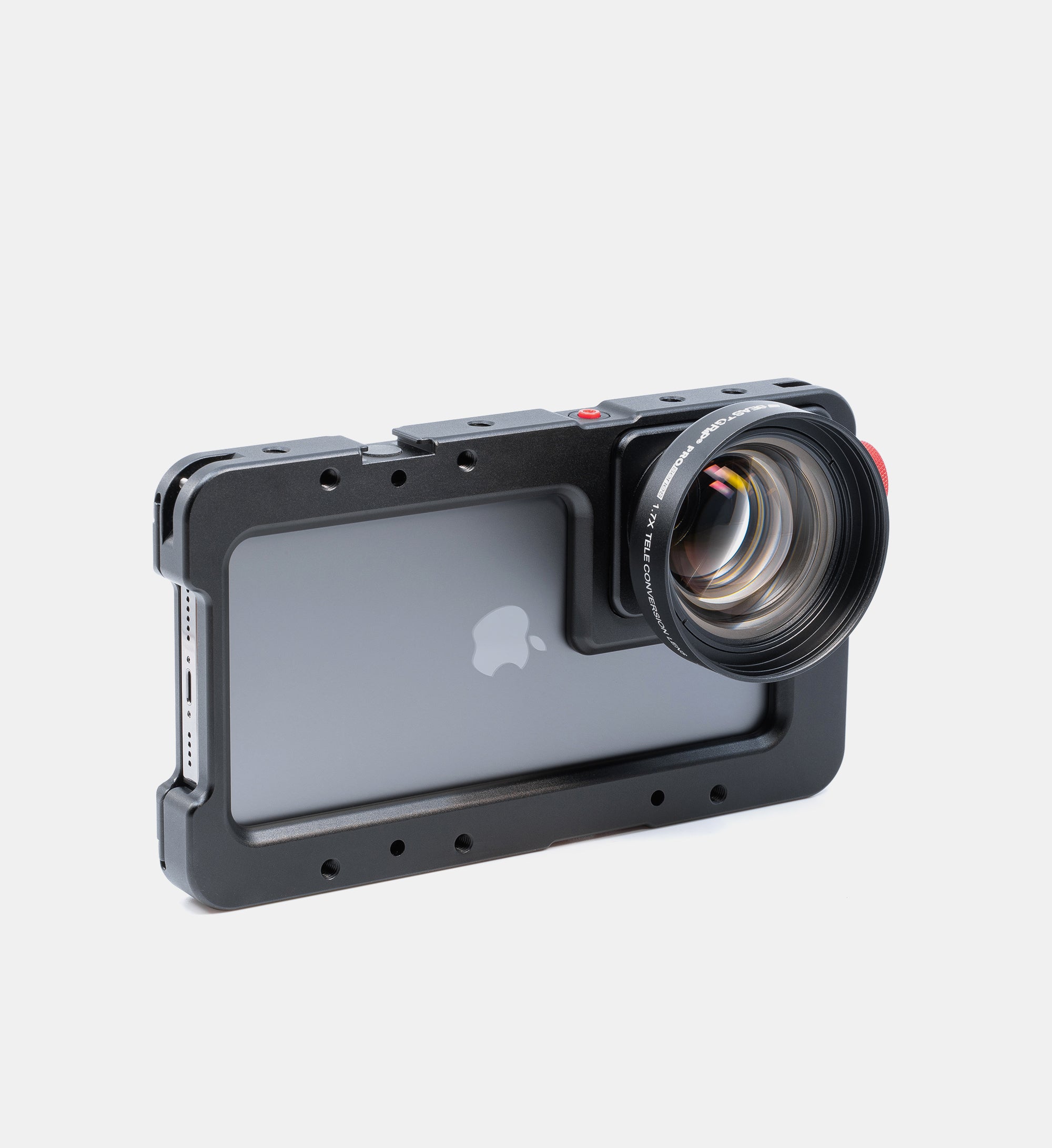
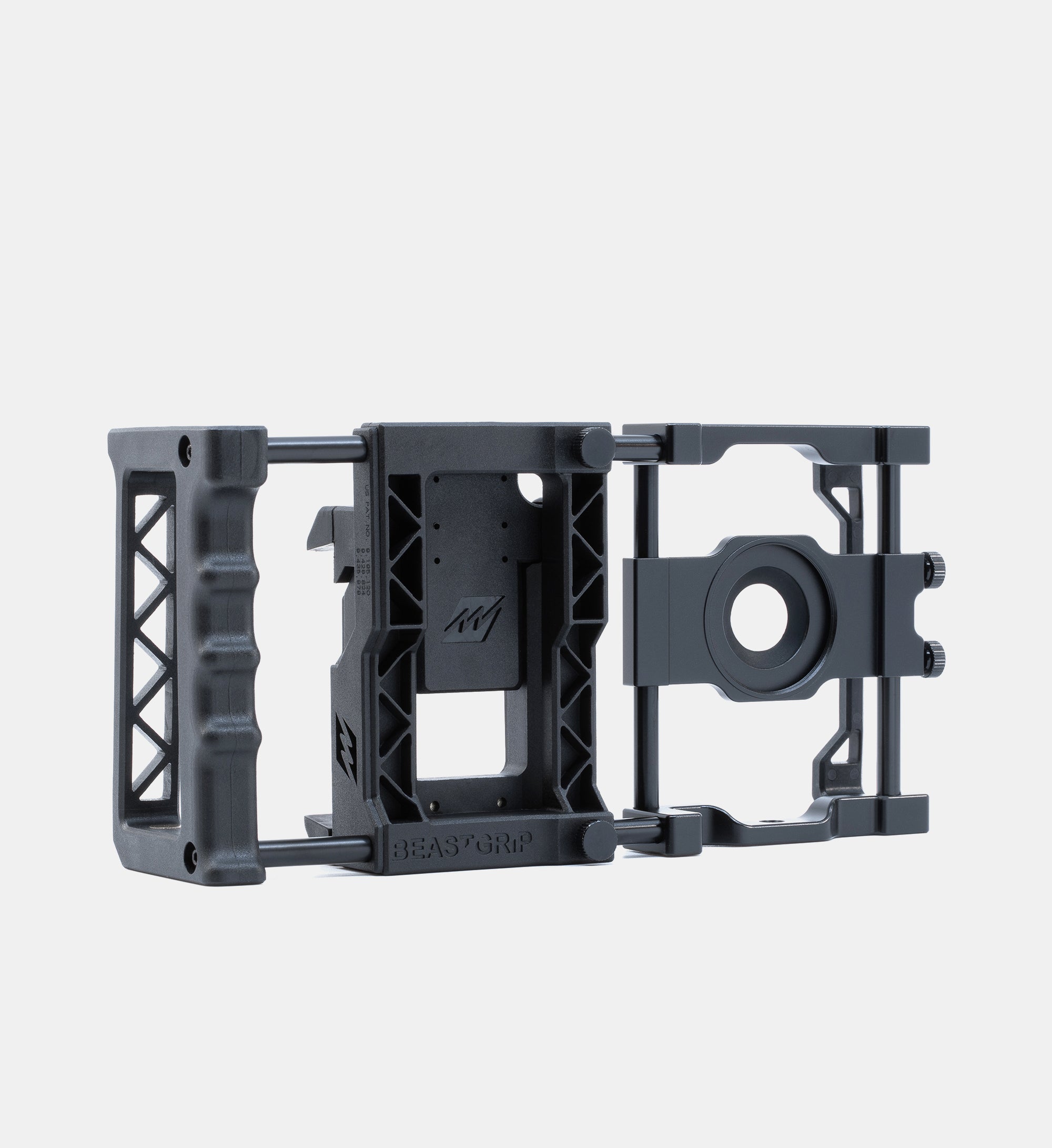
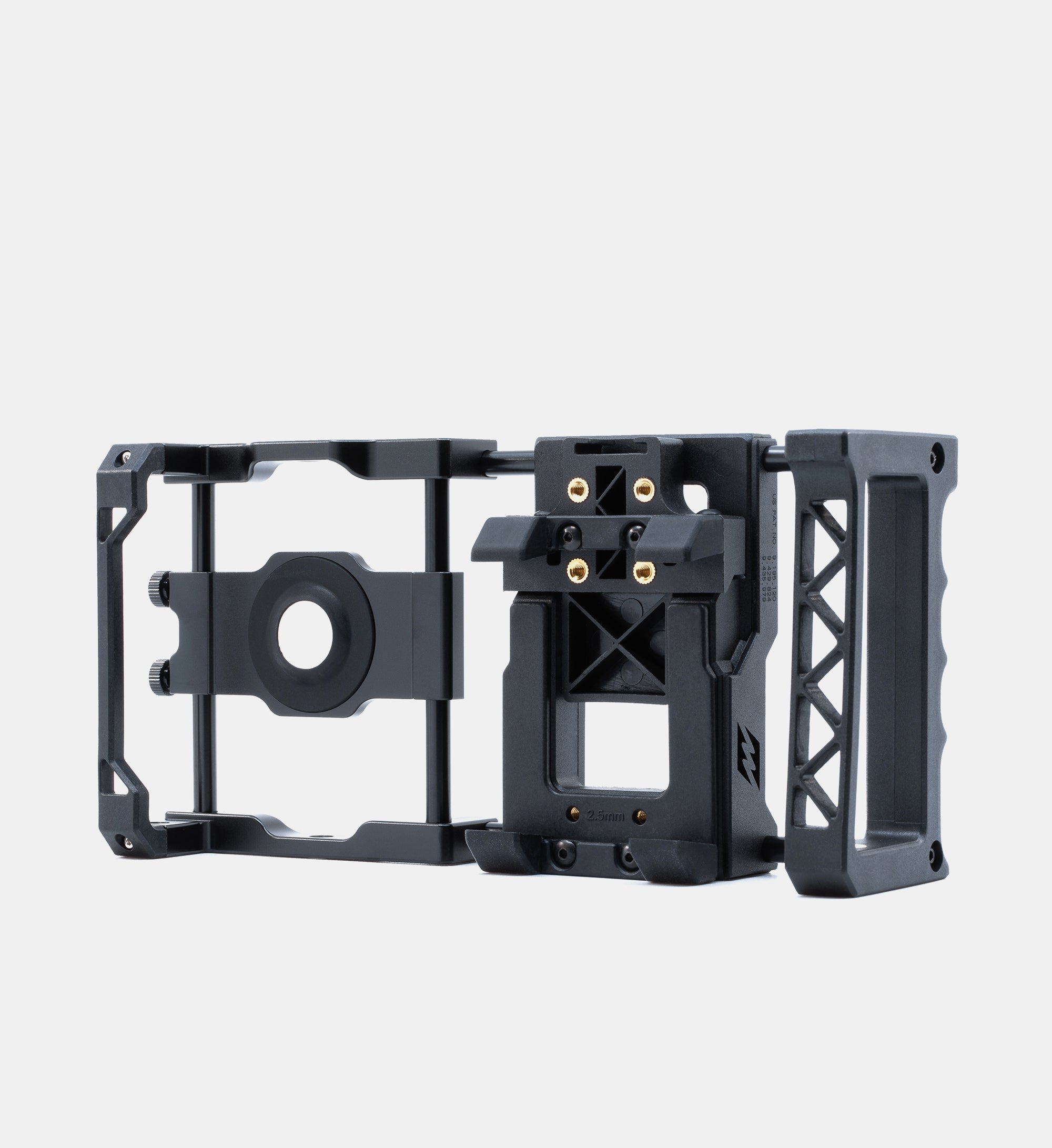
The situation with our dedicated Beastcages is a little different.
Apple lists the overall height, width, and thickness of the iPhone 18 Pro and iPhone 18 Pro Max as the same as the corresponding previous generation models. That is certainly encouraging for existing Beastcage users.
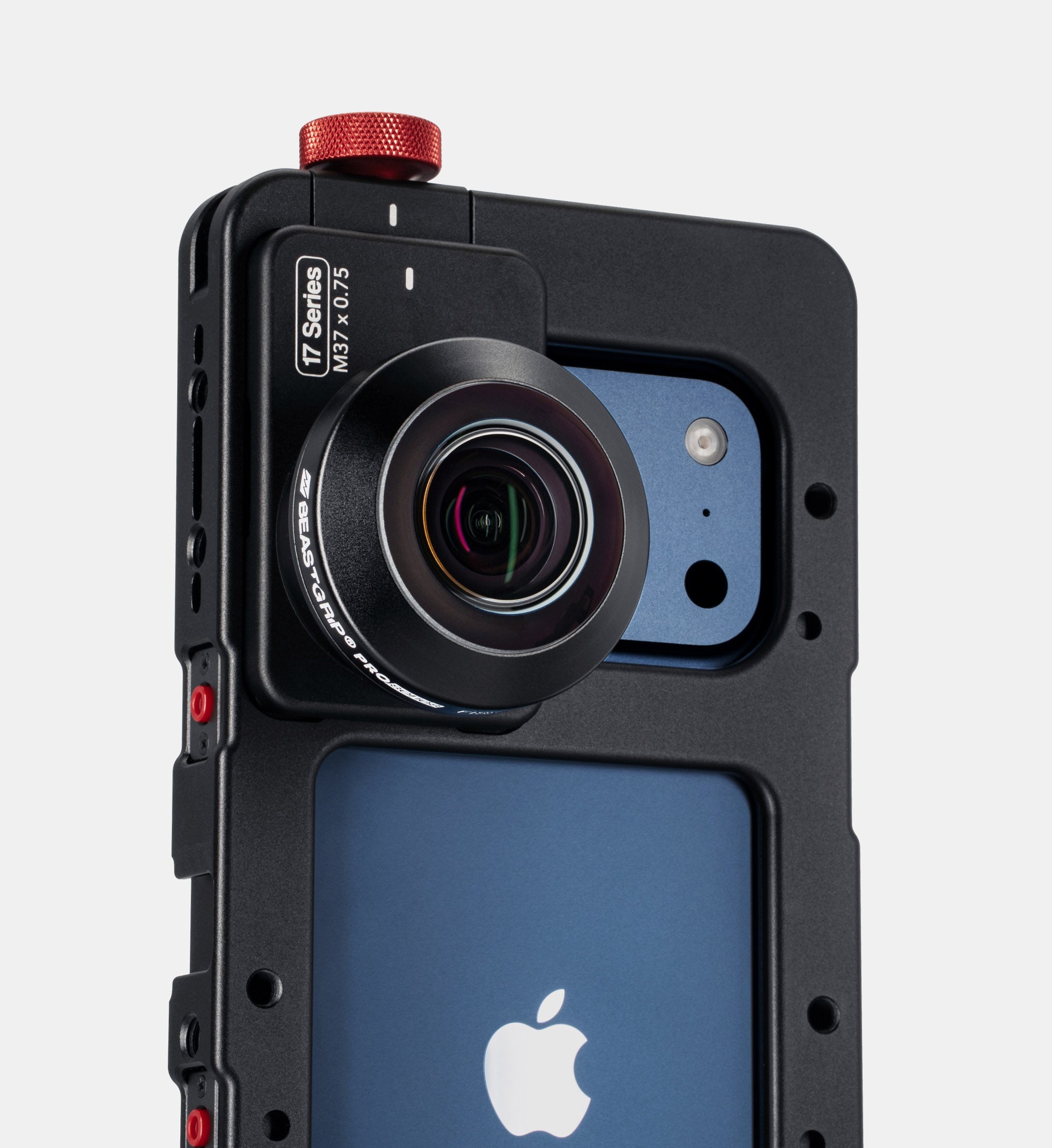
And there was another interesting clue during the Apple Event. A Beastcage was shown as part of a drone rig used with the new iPhone. Since the new iPhone shares the same overall body dimensions as the previous generation, the cage shown appears to be our existing Beastcage 17 Series. This gives us even more confidence that the new iPhone physically fits the current cage body.
However, the setup shown during the event did not use an external lens or one of our lens mounting plates, and this is where there are still some important details to verify.
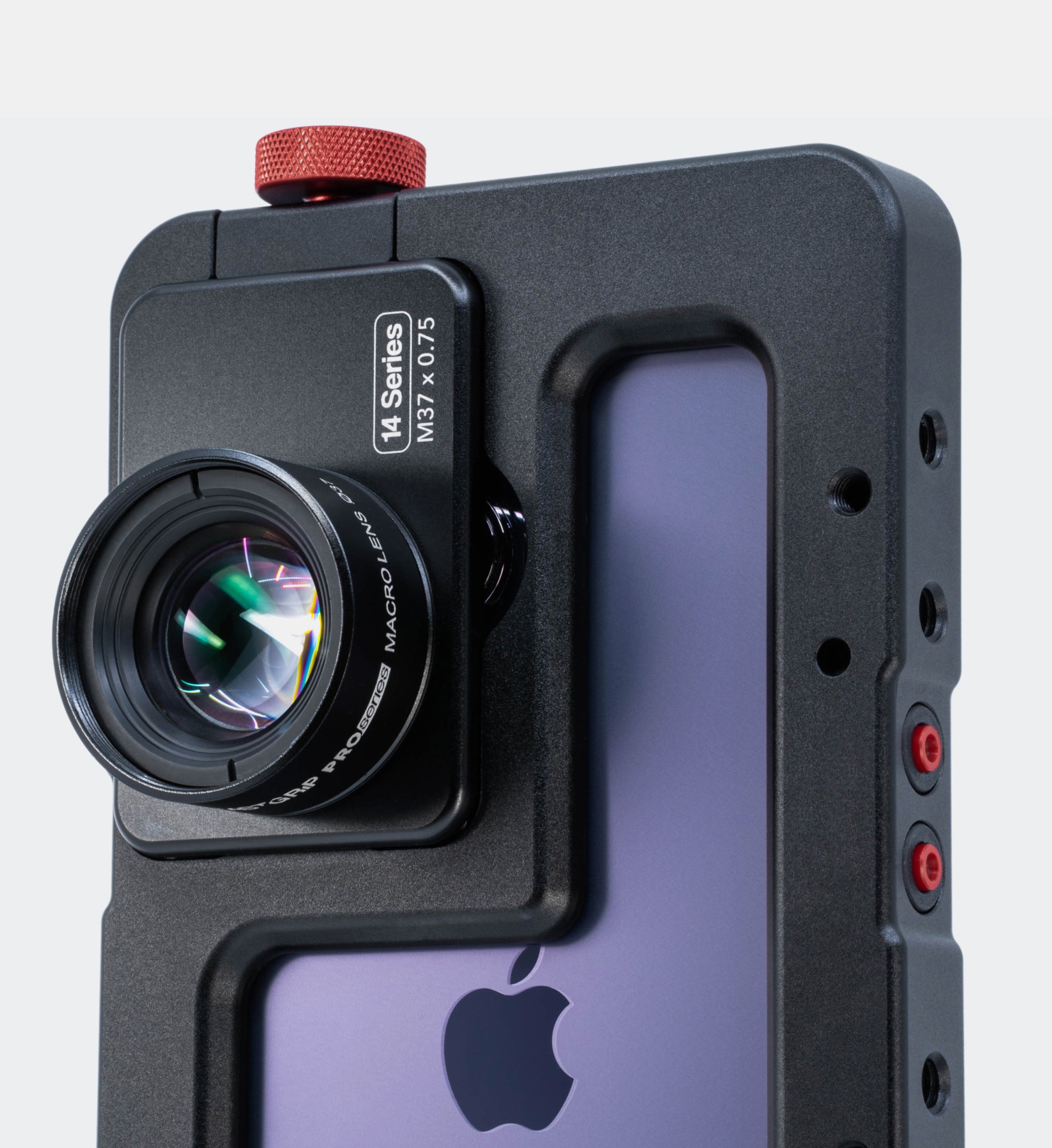
Beastcages and their interchangeable lens and filter mounting plates are precision made around the iPhone camera system. Even a small change in how far the camera module protrudes from the back of the phone, or a slight change in the exact position of the cameras, can affect plate clearance and precise optical alignment.
This is particularly important when mounting an external lens. The optical center of the Beastcage lens mount needs to align precisely with the selected iPhone camera. So even if the phone itself fits perfectly inside the cage, changes around the camera module can still require an updated mounting plate.
Based on everything we know so far, we are very optimistic about compatibility, but we are not ready to make any final claims until we have the actual devices in hand or Apple releases detailed dimensional drawings.
Once that information becomes available, we will immediately evaluate the new models, finalize the Beastcage 18 Series, and determine what upgrade options may be possible for existing Beastcage 17 Series owners.
We will share confirmed compatibility details as soon as we can properly test and verify everything.


On paper, the iPhone 18 Pro looks like one of the most interesting camera upgrades we have seen in several generations.
It is not simply about more megapixels or another camera specification.
Apple is giving creators more physical and manual control over the camera, and that is what makes this generation particularly interesting to us.
Variable aperture is obviously the feature we are most excited about. Combine it with native manual controls, improved thermal management, the A20 Pro chip, longer battery life, and Apple's expanding professional photo and video capabilities, and the complete package becomes even more interesting for serious mobile filmmaking and photography.
But specifications only tell us so much.
The real test starts when we get the new iPhones in our hands.
We will be testing the new camera system with Beastgrip lenses, Beastgrip Pro, Beastcage, our DOF adapters, filters, and other gear for both filmmaking and photography to see what actually changes in real world use.
And we are particularly excited to see what happens when we put that new variable aperture behind external optics.
Stay tuned. There is a lot to test.
iPhone 18 Pro & 18 Pro Max: Beastgrip Gear Compatibility & First Tests
Great news for iPhone 18 Pro and 18 Pro Max users: Beastgrip rigs, lenses, DOF Adapter MK3, and accessories are compatible and working great. Here’s a quick compatibility update, including Beastcage options and what we’re seeing from our first tests with the new variable aperture.
Read moreabout iPhone 18 Pro & 18 Pro Max: Beastgrip Gear Compatibility & First Tests
ROSÉ’s “New Trick” Music Video Shot Entirely on iPhone 18 Pro
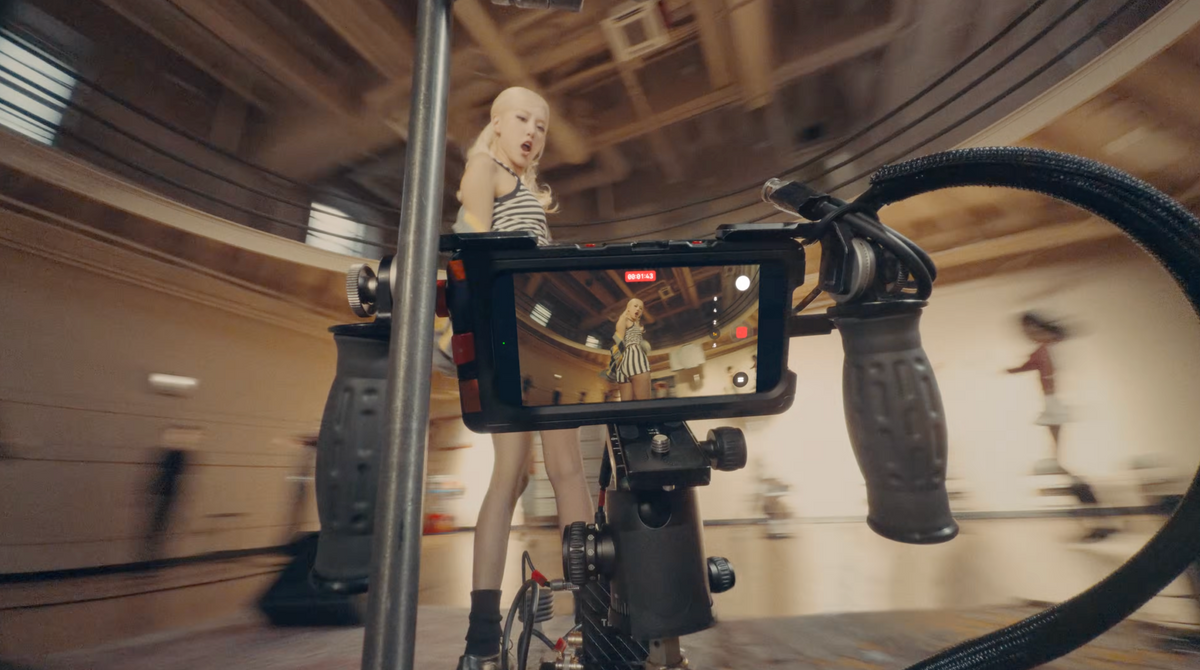
ROSÉ’s “New Trick” was shot entirely on iPhone 18 Pro. Go behind the scenes to see Beastcage in action across gimbals, body rigs, creative camera setups, and more.
Read moreabout ROSÉ’s “New Trick” Music Video Shot Entirely on iPhone 18 Pro
iPhone 18 Pro Camera: What’s New for Mobile Filmmaking & Photography
Apple just unveiled the iPhone 18 Pro and Pro Max. We take a closer look at the new camera system, variable aperture, manual controls, performance upgrades, and what they could mean for mobile filmmaking, photography, and Beastgrip gear.
Read moreabout iPhone 18 Pro Camera: What’s New for Mobile Filmmaking & Photography






Share:
iPhone 18 Pro Camera Rumors: What We’re Most Excited About for Mobile Filmmaking
ROSÉ’s “New Trick” Music Video Shot Entirely on iPhone 18 Pro