

The Importance of Gimbals in Smartphone Filmmaking
Gimbals are indispensable tools for achieving smooth and professional-looking footage, whether you're shooting with a smartphone or a DSLR camera rig. Their primary function is to stabilize your shots, minimizing shaky movements and ensuring that your videos appear steady and polished.
One of the key benefits of using a gimbal is its ability to stabilize your footage in real-time, even when you're on the move or shooting in challenging environments. This stability is crucial for capturing cinematic shots, especially during dynamic movements such as panning, tilting, or tracking subjects.
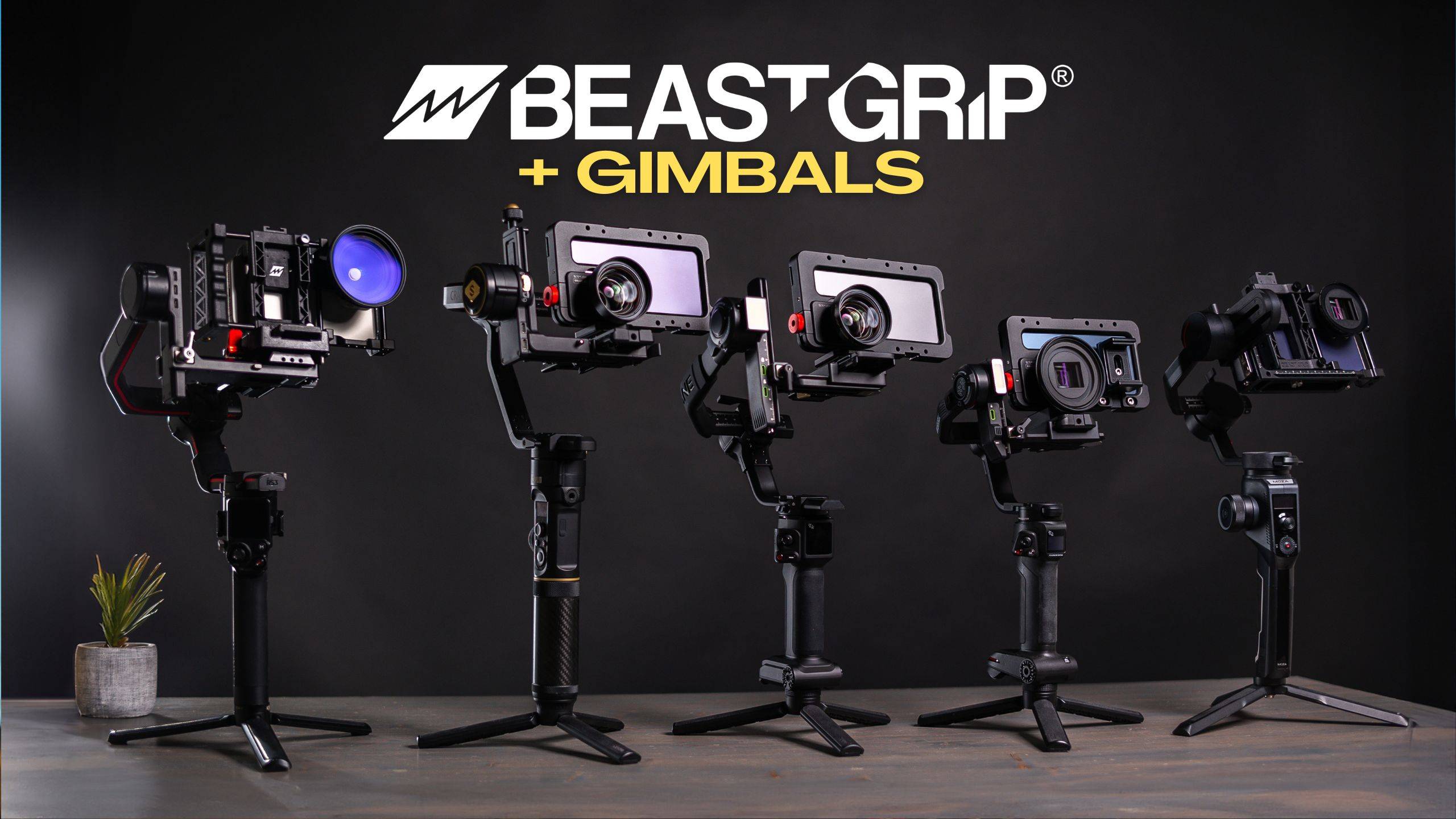
When selecting a gimbal for your smartphone filmmaking rig it's essential to choose one that matches the weight and size of your equipment. Full-sized gimbals, designed for DSLR cameras, are particularly recommended for their ability to handle heavier payloads with ease. This ensures optimal performance and stability when paired with Beastgrip Pro rigs and our Beastcages.
One of the advantages of full-sized gimbals is their ability to manage heavier loads without the need for complex balancing procedures. This simplifies the setup process, allowing you to focus more on capturing great shots rather than adjusting and adjusting the gimbal.
Gimbals equipped with 3-axis motors offer precise control over pan, tilt, and roll movements, allowing you to capture smooth and fluid footage from various angles. Some of the gimbals that we've extensively tested and found compatible with our Beastcages and Beastgrip Pro rigs include the DJI Ronin RS3 Pro, Zhiyun Crane 2S, Zhiyun Weebil 3, Zhiyun Weebil 4, and Moza Aircross 2.
Mounting your rig on a gimbal can be done in two ways: horizontally or inverted. While the horizontal method is straightforward, we recommend the inverted approach for optimal weight distribution and easier balancing. This technique involves flipping the rig upside down and positioning the camera lens close to the plate, ensuring stability and smooth operation.
For those who want their setup to be even more compact you can detach a side handle from the Beastgrip Pro, further streamlining your setup without compromising on performance.
Additionally we have created a video demonstrating how to balance one of our favorite gimbals, providing you with step-by-step instructions for achieving optimal stability and alignment.
Please note that proper balance and alignment are essential for maximizing the performance of your gimbal, so be sure to follow the instructions specific to your gimbal model.


Share:
Introduction of the new iPad Pro and iPad Air during the Apple 'Let Loose" event shot exclusively on iPhone 15
Unlock Limitless Filmmaking: Introducing the new Beastgrip SSD Clamp